Author: Dark Magic Sporthorses

  • How to Choose a Showjumper for Your Level

    How to Choose a Showjumper for Your Level

    Learning how to choose a showjumper is less about finding the most talented horse and more about finding the right one for you. The most scopey jumper in the stable is the wrong horse if it overwhelms its rider; a modest 1.20m horse with a generous brain can be the partner of a lifetime. This guide is about matching the horse to the rider, your level, your goals, your budget and your honesty about all three.

    We meet buyers every week who have fallen for a horse that does not fit them. The hard part is not spotting talent. It is matching the right horse to the right rider. Here is how to do the same.
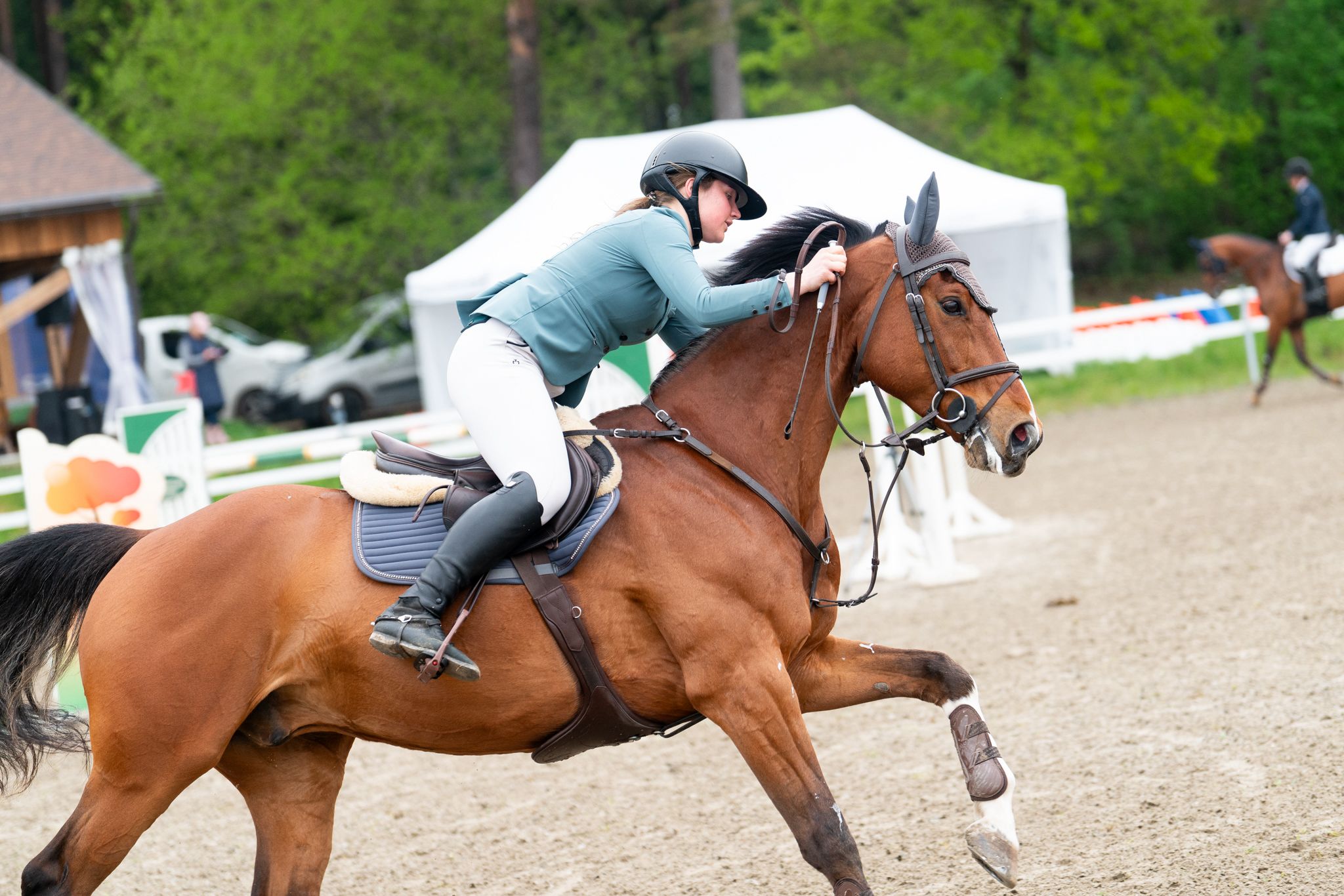
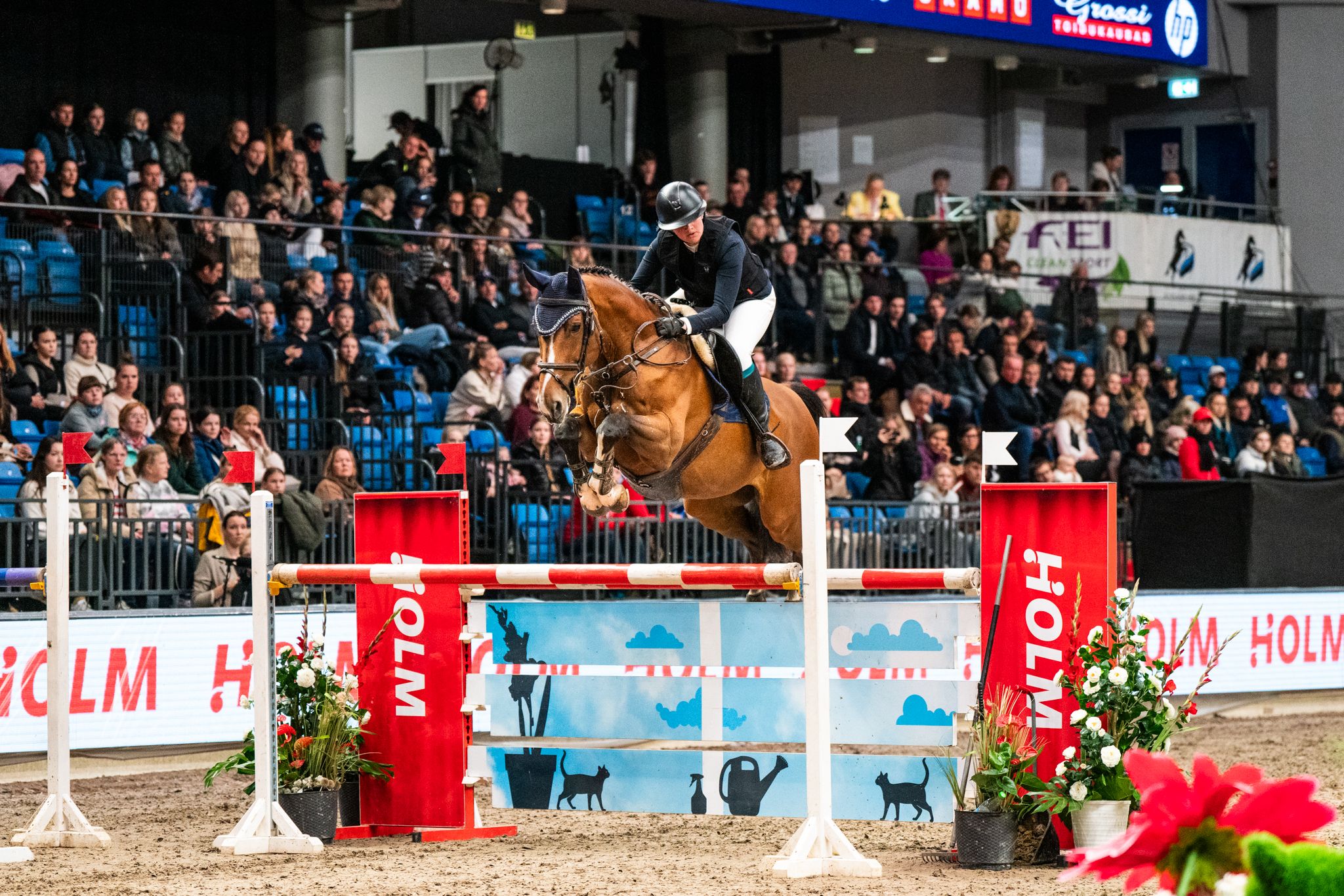
    How to choose a showjumper, an amateur rider trying a horse at a sales viewing

    How to choose a showjumper: start with your level

    Before you look at a single horse, define what you actually need. Be honest, this is the step that saves the most heartache.

    • What level do you ride now, consistently and confidently? Not your best round ever, your normal round.
    • What is your goal for the next two to three years? Compete nationally, jump comfortably for fun, bring a young horse along?
    • How much horse can you ride? A bold, sensitive, careful jumper takes a tactful rider. A genuine, forgiving horse covers for small mistakes.

    The most common buying mistake is purchasing for your ambitions rather than your ability. A horse that needs a stronger ride than you can give will not make you better, it will frighten you both. The right horse meets you where you are and grows with you.

    Temperament is the trait that decides everything

    Ask any professional what matters most in an amateur’s horse and the answer is rarely scope or bloodlines. It is temperament. A horse with a trainable brain and a genuine attitude toward its work makes every part of ownership easier, schooling, warming up at a noisy show, recovering from a green mistake. A horse with enormous ability and a difficult mind makes all of it harder.

    Temperament is also the hardest thing to judge from a video. A horse can look saintly in an edited sales clip and be a different animal in a strange arena. This is exactly why we sit on every horse we present and watch it handled on the ground, the brain only reveals itself in person.

    Conformation: build determines durability

    A showjumper’s conformation is not about looking pretty. It is about whether the horse can do the job, comfortably, for years. The ideal jumper has:

    • A strong, well-connected back that can carry and transmit power;
    • A well-set neck for balance and adjustability between fences;
    • Sloping shoulders and good limb angles that absorb the shock of landing;
    • Correct, durable legs and feet, the foundation everything else stands on.

    You do not need a textbook-perfect horse; very few exist. You need a horse whose build suits the work and has no glaring weakness that will break down under it. Minor imperfections matter far less than soundness and a body that moves in balance.

    Which breeds suit show jumping?

    Most top jumpers are warmbloods, prized for the combination of power, agility and rideable temperament the sport demands. Each European studbook has its own identity, and buyers often search by name:

    • Holsteiner (Germany), careful, scopey, classic jumping blood.
    • KWPN (Netherlands), modern, rideable, hugely successful in the ring.
    • Hanoverian (Germany), athletic and versatile.
    • BWP / Belgian Warmblood and Zangersheide (Belgium), top-level Grand Prix lines.
    • Selle Français (France), bold, blood-y, brave.

    Breed is a useful filter, not a guarantee. A well-bred horse with the wrong temperament for you is still the wrong horse. Use the studbook to narrow the search, then judge the individual in front of you.

    Age: how young is too young?

    Age is where buyers most often overreach, seduced by the price of a green horse or the romance of “bringing one along.” A sensible rule for amateur riders is to buy a horse no younger than seven. By that age the horse has competition miles, its personality is established, and you can see how it behaves under pressure rather than guessing from potential.

    • Green riders / amateurs: an experienced horse of 8 to 14, a “schoolmaster” that knows its job.
    • Confident, competitive riders: a 6 to 8 year old with miles and room to move up.
    • Professionals or those with professional support: young prospects of 4 to 6 to produce.

    There is no prize for owning the youngest horse. There is enormous value in owning the right one.

    Budget for the whole horse, not just the price tag

    The purchase price is the beginning of the cost, not the end. Before you set a budget, account for the full picture:

    • Ongoing costs: boarding, feed, farrier, routine veterinary care, insurance, competition fees and training, these dwarf the purchase price over a horse’s life with you.
    • The vetting: always budget for a full pre-purchase exam with radiographs.
    • Import, if buying abroad: if you are buying in Europe, add the cost of importing the horse to the USA, typically several thousand dollars on top of the price.

    A horse you can afford to buy but not to keep well is a horse you cannot afford. Set a realistic all-in budget and shop inside it.

    Always ride the horse, and watch it vetted

    Two non-negotiables before any money changes hands. First, ride it yourself, ideally more than once, in more than one setting. A horse can look made for you on video and feel wrong underneath you. Second, vet it independently: commission your own pre-purchase exam with a vet who has no connection to the seller.

    If you cannot travel to Europe to ride every horse on your shortlist, this is precisely where a buyer-side sourcing agent earns their keep, sitting on the horse for you, filming honestly, and standing in for your eye and seat until you can get there.

    The right horse is a match, not a trophy

    The best showjumper for you is the one that fits your level today and has the temperament, soundness and trainability to grow with you tomorrow. It is rarely the flashiest horse in the stable and almost never the cheapest. It is the honest one, the one that makes you a braver, better rider rather than a more nervous one. Browse the horses we currently have available to see the kind we present.

    Red flags in a sales listing or video

    Most of a buyer’s first impressions come from a listing and a sales video, and both are marketing. Learning to read them critically saves wasted trips. Be cautious when a video is heavily edited with very short clips and lots of cuts, honest sellers show longer, continuous footage. Watch for a horse that is only ever shown in one setting, never away from home or at a show, and for listings that talk endlessly about bloodlines and scope while saying almost nothing about temperament or rideability. Vague answers about why a genuinely lovely horse is for sale, or pressure to “decide quickly because there’s another buyer,” are reasons to slow down, not speed up.

    None of these is automatically disqualifying, but each is a prompt to ask more questions. A horse worth buying will withstand scrutiny.

    Questions to ask the seller before you travel

    Before booking a flight to try a horse, a few direct questions will tell you whether the trip is worth making:

    • Why is the horse for sale, and how long has the current owner had it?
    • What is its competition record, and at what height is it genuinely confirmed?
    • Has it ever had a soundness issue, time off, or veterinary treatment?
    • How is it to handle day to day, loading, clipping, the farrier, turnout?
    • Will the seller allow an independent pre-purchase exam with my own vet?

    The answers matter, but so does the manner. A straightforward seller answers plainly. Hesitation or defensiveness around the basics is itself an answer.

    Mare, gelding or stallion for an amateur?

    Sex is not destiny, but it is worth a thought for an amateur. Geldings are the default choice for most amateur riders: consistent, uncomplicated, and the same horse week to week. Mares can be exceptional, many top jumpers are mares, though some are more sensitive and opinionated, which a tactful rider enjoys and a nervous one finds harder. Stallions are rarely the right answer for an amateur in a busy boarding environment; they demand experienced handling and dedicated facilities. If you are buying in Europe to import, remember that a gelding is also the cheapest and fastest horse to bring home, which only adds to the case.

    How a sourcing brief works

    If you work with a buyer-side agent, the search starts with a brief rather than a specific horse. The more honestly you describe yourself, the better the match. A good brief covers your current level and recent results, your goal for the next two to three years, your all-in budget including the vetting and import, your timeline, and any deal-breakers, a hard height ceiling, a temperament you cannot ride, a colour or sex preference. With that in hand, a good agent does the filtering for you, presenting only the handful of horses that genuinely fit rather than every horse that is for sale. It turns an overwhelming search into a short, honest shortlist.

    Frequently asked questions

    What age is best for a first showjumper?

    For most amateurs, a horse between eight and fourteen with real mileage. It has an established personality and a known way of going, so there are far fewer unknowns than with a green youngster.

    Is a more expensive horse always a better horse?

    No. Price reflects talent, age, record and scope, not how well a horse suits you. The right horse for your level is often far from the most expensive one in the stable.

    Should I buy a horse from a video without trying it?

    Only with experienced eyes on your side. If you cannot ride the horse yourself, a trusted buyer-side agent who sits on it for you is the safeguard that makes a remote purchase sensible.

    Trying the horse: what to feel for in the saddle

    When you finally sit on a horse, the goal is not to jump the biggest fence you can. It is to feel whether this is a horse you want to ride every day. Notice the basics first: does it walk off relaxed, does it stand still to mount, does it feel honest in your hand rather than fighting or hiding behind the contact? In the canter, look for a rhythm you can sit to comfortably and adjust without a battle, the adjustability between fences is what makes a horse rideable in a course.

    Over fences, prize honesty over scope. A horse that meets a slightly wrong distance and helps you out of it is worth more to an amateur than one that jumps the moon but punishes a small mistake. Ask to do something slightly unplanned, a different line, a halt, a transition, to see how the horse copes when the script changes. And if you can, ride it twice on different days. The horse that is the same on both visits is the honest one, and honesty is the single most valuable trait you can buy.

    Not sure what fits you? Tell us your level, your goals and your budget, and we will source horses built to match, not just to impress. Start a brief and we will do the looking.
  • The Pre-Purchase Exam: A Buyer’s Handbook

    The Pre-Purchase Exam: A Buyer’s Handbook

    The pre-purchase exam horse cost is the best money you will spend in the entire buying process, and the part buyers most often try to economise on. A vetting is not a formality you tick off before wiring the money. It is the one moment where an independent expert tells you, in plain terms, what you are actually buying. This handbook explains what a pre-purchase exam costs in 2026, what it should include for a showjumper, and how to read the report without panicking.

    We sit in on vettings constantly. The buyers who make good decisions are not the ones who find a “clean” horse. They are the ones who understand what the findings mean for their plans.

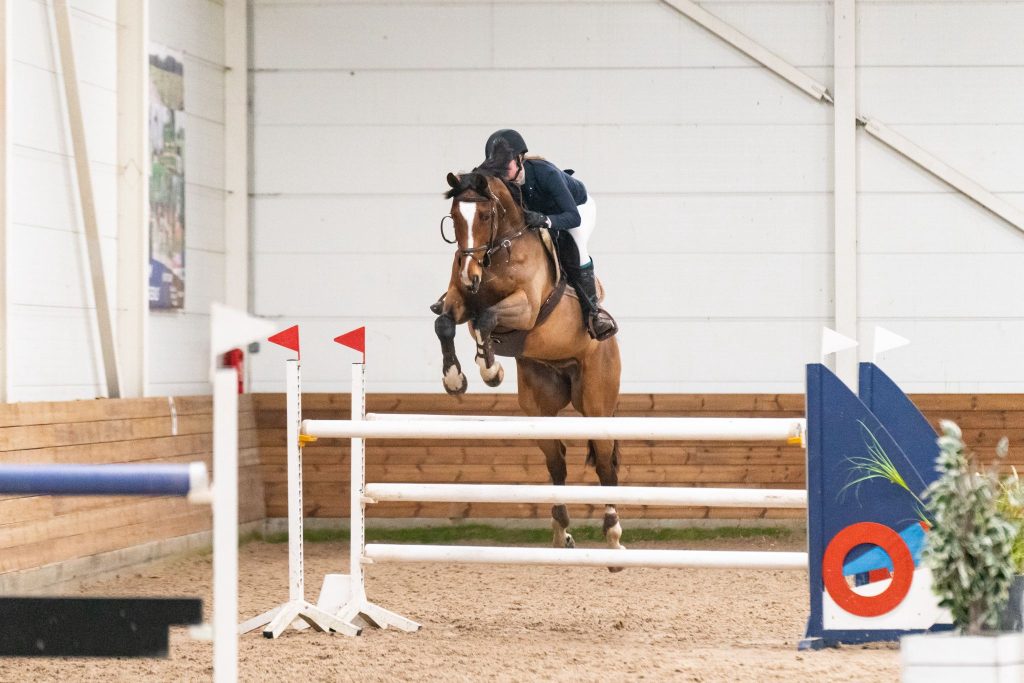
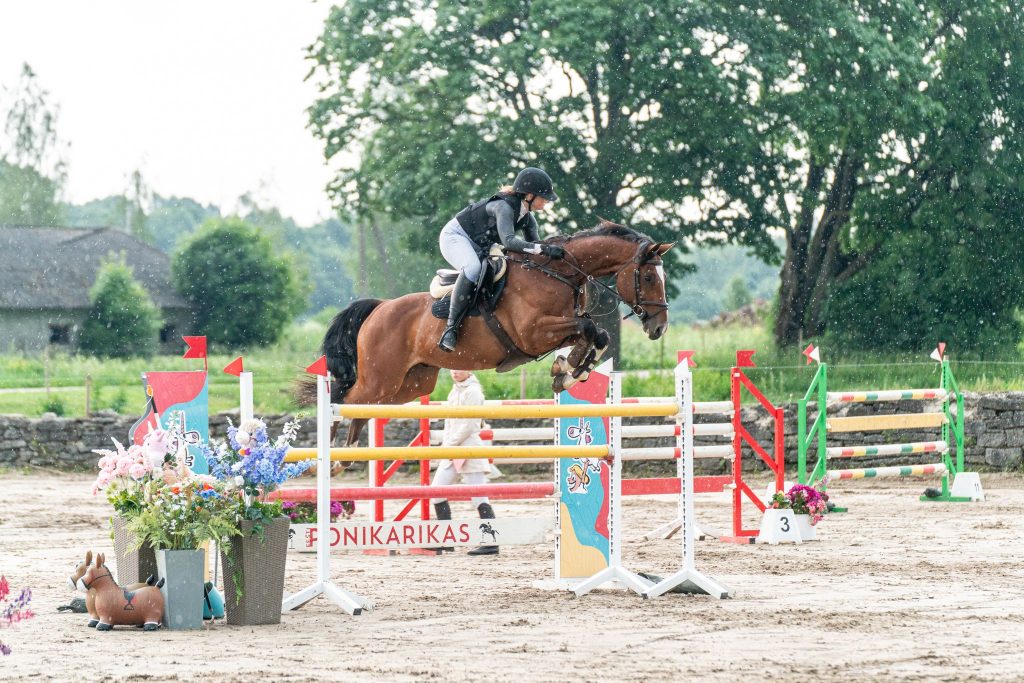
    A pre purchase exam of a showjumper, assessing soundness before the horse cost is agreed

    What does a pre-purchase exam cost?

    In 2026, a horse pre-purchase exam typically ranges from $250 to $2,000 or more, depending on how thorough you go.

    • Basic exam: roughly $250-$500. A clinical and soundness examination with no imaging.
    • Standard sport-horse exam: roughly $800-$1,500 once you add a set of radiographs.
    • Full performance vetting: $2,000+ with an extended set of x-rays, blood work, and sometimes ultrasound or scoping.

    For a jumper, the basic exam is almost never enough. A horse that is competing, or that you intend to compete, should have a full clinical exam and radiographs. The cost of the films is trivial compared with the cost of discovering a problem after the horse is on your property.

    Why a showjumper’s pre purchase exam costs more

    A finding that is irrelevant for a casual trail horse can be a serious limiting factor for a jumper landing off a 1.40m oxer ten times a day. The forces going through a sport horse’s front limbs, hocks and back are enormous, and the pre-purchase exam is your only chance to look inside before you own the consequences.

    This is why we always recommend a full exam with radiographs for any horse expected to jump, even one currently competing at a lower level than its eventual job. The horse has to be sound for the work you have planned, not just the work it is doing today.

    What a thorough pre-purchase exam includes

    A proper vetting is not one test but a sequence. A complete sport-horse exam should cover:

    1. History and identification

    The vet reviews the horse’s medical and performance history and confirms its identity against the passport. Gaps in the history are themselves information.

    2. Static clinical examination

    Heart, lungs, eyes, teeth, skin and limbs are examined at rest. The vet palpates the legs and back, checks for heat, swelling and pain, and looks at the feet, where a surprising number of problems begin.

    3. Dynamic and soundness evaluation

    The horse is assessed in hand and under saddle: walking, trotting, on hard and soft surfaces, on the lunge, and ridden. The vet watches for any irregularity of gait under different conditions.

    4. Flexion tests

    Each limb is flexed and the horse trotted off immediately afterward. A positive flexion is not automatically a deal-breaker, but it tells the vet where to look more closely.

    5. Diagnostic imaging (x-rays)

    Radiographs are the heart of a sport-horse vetting. A standard set covers the front feet, fetlocks, hocks and stifles; an extended set adds the back and neck. X-rays reveal changes, bone chips, arthritic change, kissing spines, that no amount of riding will show you.

    6. Blood work

    Blood can be drawn to screen for anti-inflammatory medication that might be masking a problem, and, if you are importing the horse to the USA, for the export diseases required at the border. Drawing both at the same visit saves time and money.

    “Pass” or “fail” is the wrong question

    Here is the single most important thing to understand about a pre-purchase exam: the vet does not pass or fail a horse. That is not their job.

    A pre-purchase exam is a risk assessment. The veterinarian evaluates the findings against the horse’s intended use and gives you the information to make an informed decision. A 12-year-old jumper with mild arthritic change in a hock might be a perfect, honest 1.20m amateur partner for the next four years, and completely wrong as a young rider’s investment to resell at a profit. Same horse, same x-rays, two different answers, because the buyers are different.

    When someone tells you a horse “failed the vet,” what they usually mean is that the findings did not match that particular buyer’s plan. Your job, with your vet, is to decide what the findings mean for your plan.

    Choose your own vet, never the seller’s

    The most important rule of vetting is also the most ignored: the veterinarian must be independent. The vet who examines a horse you are buying should be an equine-specific veterinarian experienced with sport horses; have no prior relationship with the horse; do no other work for the seller or selling agent; and have no financial stake in whether the sale happens.

    If the seller offers to arrange “their” vet, politely decline and bring your own. This is not about distrust; it is about getting an opinion that answers to you. A buyer-side sourcing agent will always commission an independent vet, because their loyalty, like the vet’s, is to you.

    How to read the report without panicking

    Vetting reports look alarming. They are written in clinical language and they list every finding, however minor, because the vet is protecting both you and themselves. Almost no horse over the age of six comes back with a completely blank report.

    • Separate findings from conclusions. Ask the vet directly: “Given how I intend to use this horse, what concerns you and what doesn’t?”
    • Weigh findings against price and plan. A minor issue on a fairly priced amateur horse is very different from the same issue on a six-figure prospect.
    • Ask about progression. Will this finding likely stay stable, or get worse with work? That single question separates a manageable quirk from a future problem.

    What a good vetting is really worth

    A pre-purchase exam does not guarantee a horse will stay sound, nothing can. What it buys you is informed consent. You go in knowing the horse’s weak points, the price reflects them, and there are no nasty surprises three months later. We have walked away from beautiful horses over a vetting, and happily bought horses with findings because the price and the plan made sense. The exam did not make the decision for us. It gave us the facts to make it ourselves. When you are ready, see the horses we currently have available.

    What a pre-purchase exam does not cover

    A vetting is powerful, but it is a snapshot of one day, not a warranty. Understanding its limits keeps your expectations realistic. A pre-purchase exam cannot predict the future: a horse that is sound on the day can still develop a problem next month, just as any athlete can. It is also not a temperament guarantee, the vet assesses physical soundness, not whether the horse suits your riding or your nerve. And unless you specifically request and pay for them, it will not include advanced imaging such as MRI or scintigraphy, which are reserved for following up a specific concern rather than routine screening.

    None of this makes the exam less valuable. It simply means the vetting answers the question “what does this horse look like inside, today?”, not “will this horse stay sound forever?” No examination can answer the second question, and any seller who promises otherwise is overselling.

    Vetting a young horse versus a made horse

    The right depth of exam depends on what you are buying. A young prospect of four or five has little competition history, so the radiographs carry more weight, you are partly buying potential, and clean films give you confidence that potential is not already compromised. With a young horse, pay particular attention to developmental findings in the hocks and stifles.

    A made horse of ten or twelve will almost certainly show some wear, and that is normal. The question with an older horse is not whether there are findings, but whether those findings are consistent with the work it has done and stable enough to keep doing the job you have in mind. A little maintenance in an honest schoolmaster is very different from early degenerative change in a horse you hoped would last a decade. Matching the horse to your level matters as much as the vetting, which is why it helps to know how to choose a showjumper for your level.

    Who arranges the vetting, and who pays

    The buyer arranges and pays for the pre-purchase exam. That is what keeps it independent, the person paying the vet is the person the vet answers to. Expect to pay the veterinary fee directly, and to organise the appointment yourself or through your agent rather than letting the seller “handle it.” The seller’s only obligation is to make the horse available, in a fair state, at a suitable facility with the surfaces needed to assess movement. If a seller resists an independent vetting, treat that as information in itself.

    Frequently asked questions

    How long does a pre-purchase exam take?

    A full sport-horse exam with radiographs usually takes two to three hours. Reading and reporting the films may add a day or two before you have the complete written report.

    Can I have my own vet review the x-rays?

    Absolutely, and for an expensive horse it is wise. Radiographs can be shared digitally, so your regular vet at home can give a second opinion on films taken in Europe before you commit.

    Does a clean vetting guarantee the horse is sound?

    No. It tells you the horse showed no significant problems on the day of the exam. That is valuable information, but it is not a guarantee against future injury, which no exam can provide.

    Should I skip the x-rays to save money?

    For a jumper, no. Radiographs are where the most costly hidden problems are found. Skipping them to save a few hundred dollars is the false economy that ends in a far larger vet bill later.

    Common findings and what they actually mean

    Because the report lists everything, it helps to know which findings are routine and which deserve a longer conversation with your vet. The notes below are general orientation, not veterinary advice, every horse and every plan is different.

    • Mild arthritic change in the hocks. Extremely common in older sport horses and often manageable with routine maintenance. The question is the degree and whether it is progressing.
    • Bone chips (OCD fragments). Frequently seen, especially in young horses. Many are clinically silent; some are removed routinely. Their location and whether they cause any reaction is what matters.
    • Kissing spines. Crowding of the spinal processes shows up on back x-rays in many sound, working horses. The key is whether the horse is actually sore or restricted, not the image alone.
    • Navicular changes. In the front feet, these warrant careful interpretation against how the horse goes, because they can range from incidental to significant.

    The pattern is consistent: a finding on a film is the beginning of a question, not the end of one. Sound, competing horses regularly carry minor changes, and the job of the exam is to weigh them against the price and the plan rather than to chase a perfect picture that does not exist.

    Buying a jumper in Europe? We commission independent vettings on every horse we present and walk you through the findings in plain language. Start a brief and we will source horses built to vet well for your level.

    On the selling side, this is exactly the report a foreign buyer’s vet will produce about your horse, which is why recent images and an honest history shorten the whole process. See how we advertise and represent horses for sale in Europe.

  • Importing a Showjumper from Europe to the USA: The Complete 2026 Guide

    Importing a Showjumper from Europe to the USA: The Complete 2026 Guide

    If you are buying a jumper from Germany, the Netherlands, Belgium or France, learning how to import a horse from Europe to the USA is the part of the process most buyers underestimate. The purchase is the exciting bit. The import, the blood work, the quarantine, the flight, the paperwork, is where timelines slip and budgets blow out. This guide walks through every stage, in order, with real 2026 numbers, so you arrive at the airport in Wellington or Lexington with no surprises.

    We work on the buyer’s side every week, and we have learned that the buyers who enjoy the process are the ones who understand it before they fall in love with a horse. It also helps to understand how to choose a showjumper for your level before the search begins.

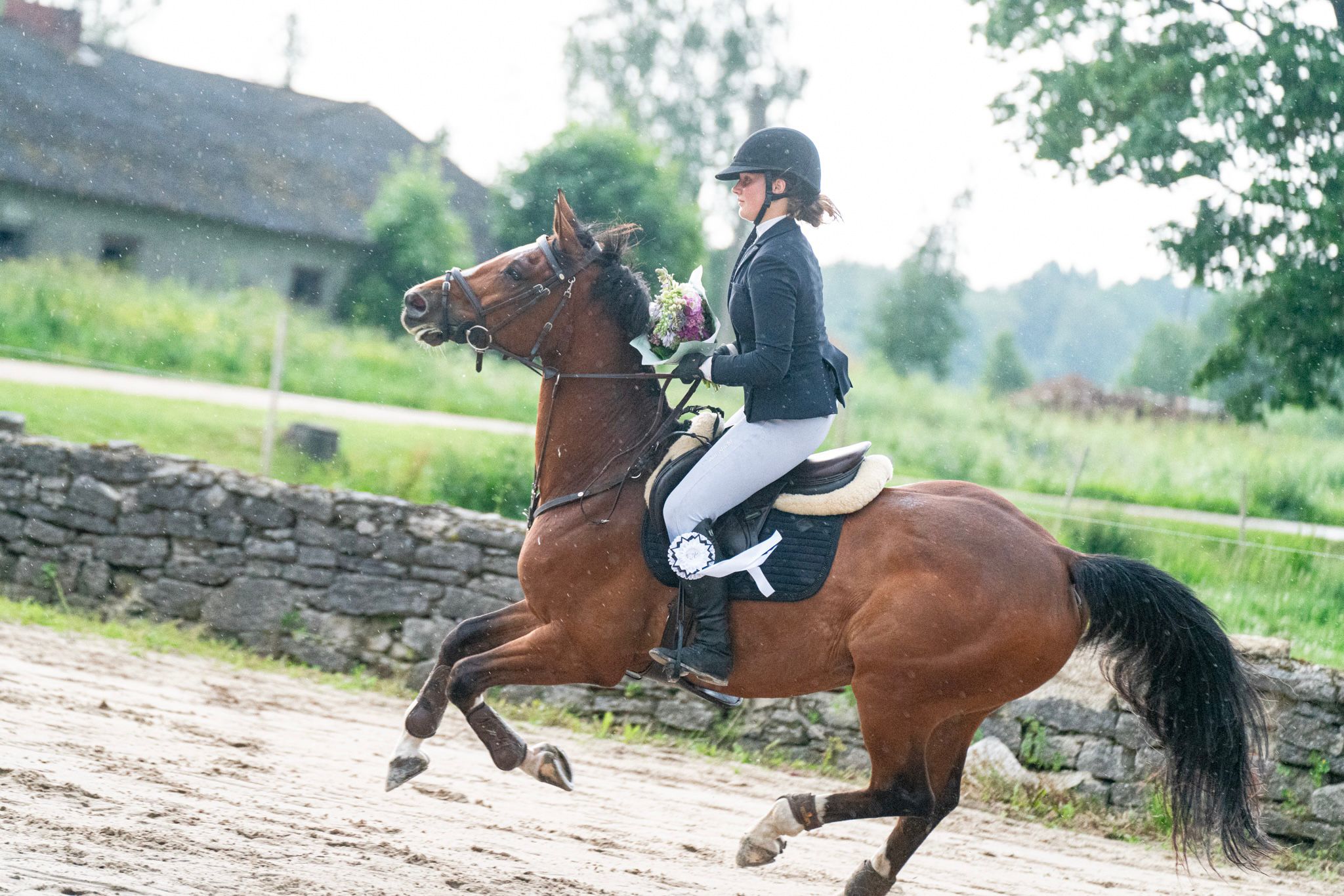
    How to import a horse from Europe to the USA, a showjumper prepared for export

    How to import a horse from Europe to the USA: the timeline

    From the moment you sign to the moment your horse lands in the United States, plan on four to eight weeks. Geldings move faster; mares and stallions take longer because of additional quarantine requirements.

    • Week 1: Pre-purchase exam completed, export blood work drawn, sale finalised.
    • Weeks 2 to 4: Blood results returned, flight booked, the horse collected and staged near the departure airport (Amsterdam, Liège, or Frankfurt).
    • Week 4 to 5: Flight to a US port of entry, most commonly New York (JFK), Los Angeles, or Miami.
    • Weeks 5 to 8: USDA and, for mares and stallions, CEM quarantine completed; the horse is released to you.

    The single biggest cause of delay is blood work. Export tests have to be drawn, sent to specific laboratories, and returned clear before a horse can fly. Start them early.

    The export blood work every buyer should plan for

    Every horse imported into the United States is tested for a defined set of diseases. The official entry tests are run at the US port of entry during the arrival quarantine, but responsible sellers and agents screen for them in Europe first, because a positive result means the horse is refused at the border rather than simply delayed. When you arrange your pre-purchase exam, ask the vet to draw bloods at the same visit, it saves a second trip and several days.

    • Equine Infectious Anemia (EIA / Coggins)
    • Piroplasmosis
    • Glanders
    • Dourine
    • Contagious Equine Metritis (CEM), relevant for mares and stallions

    Piroplasmosis is the test that catches buyers out. A horse that tests positive cannot enter the United States through the normal route, and treatment is long and not always successful. This is one reason we never rely on a sales video alone, a horse that looks perfect on screen is worth nothing to a US buyer if it cannot clear export testing.

    Understanding US quarantine, and why sex matters

    Every horse imported into the United States spends time in government quarantine on arrival. This is not optional, and it is where the cost difference between a gelding and a mare or stallion becomes significant.

    USDA quarantine (all horses)

    Every imported horse spends its first period on US soil in USDA quarantine, a short stay, typically around 3 days, that costs roughly $3,250 as of 2026. Geldings are usually released after this step.

    CEM quarantine (mares and stallions only)

    Mares and stallions transfer into a separate CEM quarantine to test for Contagious Equine Metritis. This is the expensive part: mares spend roughly 15 days at around $3,400; stallions stay roughly 33 days at around $9,700, undergoing test breeding as part of the protocol.

    This is why, all else being equal, a gelding is the cheapest horse to import and a stallion the most expensive. If two horses are otherwise equal for your programme, the import maths alone can be worth thousands of dollars.

    What does it actually cost to import a horse to the USA?

    The horse import cost USA buyers should budget, separate from the purchase price of the horse, looks roughly like this in 2026:

    ItemApproximate cost (USD)
    Transatlantic flight (shared container)$7,000 to $10,000
    USDA quarantine (all horses)~$3,250
    CEM quarantine, mares~$3,400
    CEM quarantine, stallions~$9,700
    Export blood work & vet paperwork$500 to $1,500
    Ground transport (Europe + US side)$500 to $2,000

    A gelding flying in a shared container can land for around $11,000-$14,000 all-in on top of the purchase price. A stallion can run several thousand more because of the extended CEM protocol. Costs come down when several horses travel together, one advantage of buying through an agent who ships regularly. These are ballpark figures, not quotes: currency movement, the departure airport and the season all move the number. Build a buffer.

    Choosing a flight and a port of entry

    Horses do not fly in the cargo hold like luggage. They travel in specially designed air stalls, two or three horses to a container, accompanied by a professional flying groom. Your horse is collected from its home stable two to four days before the flight so a government veterinarian can complete the health and export papers before departure.

    The three most common US ports of entry for sport horses are New York (JFK), Los Angeles, and Miami. A jumper bound for the winter circuit in Wellington, Florida usually clears through New York or Miami and vans down; a West Coast buyer near Thermal routes through Los Angeles. Matching the port to the destination saves days of domestic ground transport.

    The paperwork that actually matters

    • Health certificate issued by an official European veterinarian close to departure.
    • Negative test results for the diseases listed above.
    • Equine passport with up-to-date identification and vaccination records.
    • US import permit and customs entry, handled by your customs broker or agent.

    A horse with an incomplete or out-of-date passport can be held up at either end. Before you commit, confirm that the passport and vaccinations are current, a small detail that causes large delays.

    Why most American buyers use a sourcing agent

    You can import a horse yourself. Plenty of people do. But the reason a growing number of American buyers work with a European-based sourcing agent is simple: the agent has stood in the stable, sat on the horse, and seen the vetting in person, and they coordinate the import so the parts connect.

    • Filters before you fall in love. We only present horses we believe will clear export testing and a US-standard pre-purchase exam.
    • Coordinates the timeline. Blood work, flight, quarantine and ground transport all interlock. One missed lab cut-off can add two weeks.
    • Protects your interests, not the seller’s. A buyer-side agent is paid by you and answers to you.

    A realistic first step

    The buyers who import successfully start with a clear brief rather than a specific horse. Tell us the level you ride, your budget including the import, and your timeline, whether you need the horse on the ground for Wellington in January or simply want the right one when it appears. You can also browse the horses we currently have available.

    What can go wrong, and how to avoid it

    Most import problems are not dramatic. They are small scheduling errors that compound. After managing this process repeatedly, the same handful of mistakes account for almost every delayed horse and blown budget.

    • Leaving blood work to the last minute. Export labs run on their own calendar. Draw bloods at the pre-purchase exam, not the week before the flight.
    • Forgetting the horse’s sex changes the cost. Buyers budget for a gelding and then fall for a stallion, only to discover the CEM protocol adds thousands of dollars and weeks of quarantine.
    • Ignoring the passport. An out-of-date passport or missing vaccination line can hold a horse on the ground at either end. Check it before you pay.
    • Booking the wrong port. Flying into the wrong coast adds days of domestic vanning and unnecessary stress on the horse.

    Insuring your horse for transit

    A transatlantic flight is the single highest-risk moment in a horse’s journey to you, and it is also the one most buyers forget to insure. Mortality and transit insurance is inexpensive relative to the value of the horse and the cost of the flight, and it should be arranged before the horse leaves its home stable, not at the airport. If you are buying a six-figure jumper, full mortality and major-medical cover for the import window is not optional. Speak to an equine insurer the moment the sale is agreed, and make sure the policy is active for the collection, staging, flight and quarantine, not just the flight itself.

    Arrival day and the letdown period

    Your horse will land tired. A long-haul flight, the noise, the change in air pressure and the strange handlers all take a toll, and quarantine is not a holiday. Plan for a letdown period of two to four weeks once the horse reaches your barn before you ask any real work of it. Some horses lose a little weight and condition in transit and need time to settle, rehydrate and find their feet in a new climate, the move from a cool European winter to Florida humidity is a genuine adjustment. Resist the urge to school the day it arrives. The horses that start well in their new homes are the ones whose owners gave them time.

    It also pays to have your own veterinarian see the horse shortly after arrival, both to establish a baseline and to confirm everything that travelled on paper matches the horse standing in front of you. This is routine, but it closes the loop on a long process and gives you peace of mind before the real work begins.

    Frequently asked questions

    What is involved in a European sport horse import? A European sport horse import means buying a horse in Europe and shipping it to the United States. The core steps are the export blood work, a transatlantic flight in an air stall, and government quarantine on arrival. Plan four to eight weeks, and if you are still deciding how to source the horse, read our guides to buying a showjumper in Europe and working with a buyer’s agent.

    How long is the flight from Europe to the USA?

    The flight itself is usually eight to eleven hours depending on the route, but the door-to-door journey is longer once you include collection two to four days before departure, staging near the airport, and quarantine on arrival.

    Can my horse fly with other horses?

    Yes, and it is usually cheaper when it does. Horses travel two or three to an air stall container with a professional flying groom, and shared shipments bring the per-horse cost down considerably.

    What is the cheapest horse to import?

    A gelding, every time. Geldings skip the lengthy CEM quarantine that mares and stallions require, which removes both the largest single cost and several days of board.

    Do I have to be at the airport to receive the horse?

    No. The shipping agent or your sourcing agent coordinates customs clearance, quarantine and onward ground transport. Most buyers first see their horse when it arrives at their own barn.

    When to start the import, and timing around the season

    Timing is the quiet variable that decides whether an import feels calm or frantic. If your goal is to be competing in Wellington for the winter circuit, which runs from January into April, you cannot start looking in December. Work backwards: a four-to-eight-week import window, plus a two-to-four-week letdown period, plus the time to actually find and try the right horse, means the search should begin in the early autumn for a horse that is settled and ready by January.

    Season also affects supply and price. European sellers know when American buyers are shopping for Florida, and the best horses move early. Starting ahead of the rush gives you a wider choice and more leverage, rather than competing for whatever is left when everyone else is buying. The buyers who land a great horse in time are almost always the ones who began the conversation months before they needed the horse on the ground.

    Looking for a jumper in Europe? We find them quietly, vet them honestly, and manage the import end to end. Start a brief and tell us what you are looking for.

    Importing from Europe is not difficult once you understand the order of operations. Get the blood work moving early, budget for the quarantine your horse’s sex requires, match the port to the destination, and work with people who have done it before.

    Selling rather than buying? European sellers who want to reach American buyers face the same timing and paperwork questions from the other direction. See how we advertise and represent horses for sale in Europe.