Auteur/autrice : Dark Magic Sporthorses

  • How to Choose a Showjumper for Your Level

    Comment choisir un cheval de saut adapté à votre niveau

    Learning how to choose a showjumper is less about finding the most talented horse and more about finding the right one for you. The most scopey jumper in the stable is the wrong horse if it overwhelms its rider; a modest 1.20m horse with a generous brain can be the partner of a lifetime. This guide is about matching the horse to the rider, your level, your goals, your budget and your honesty about all three.

    We meet buyers every week who have fallen for a horse that does not fit them. The hard part is not spotting talent. It is matching the right horse to the right rider. Here is how to do the same.
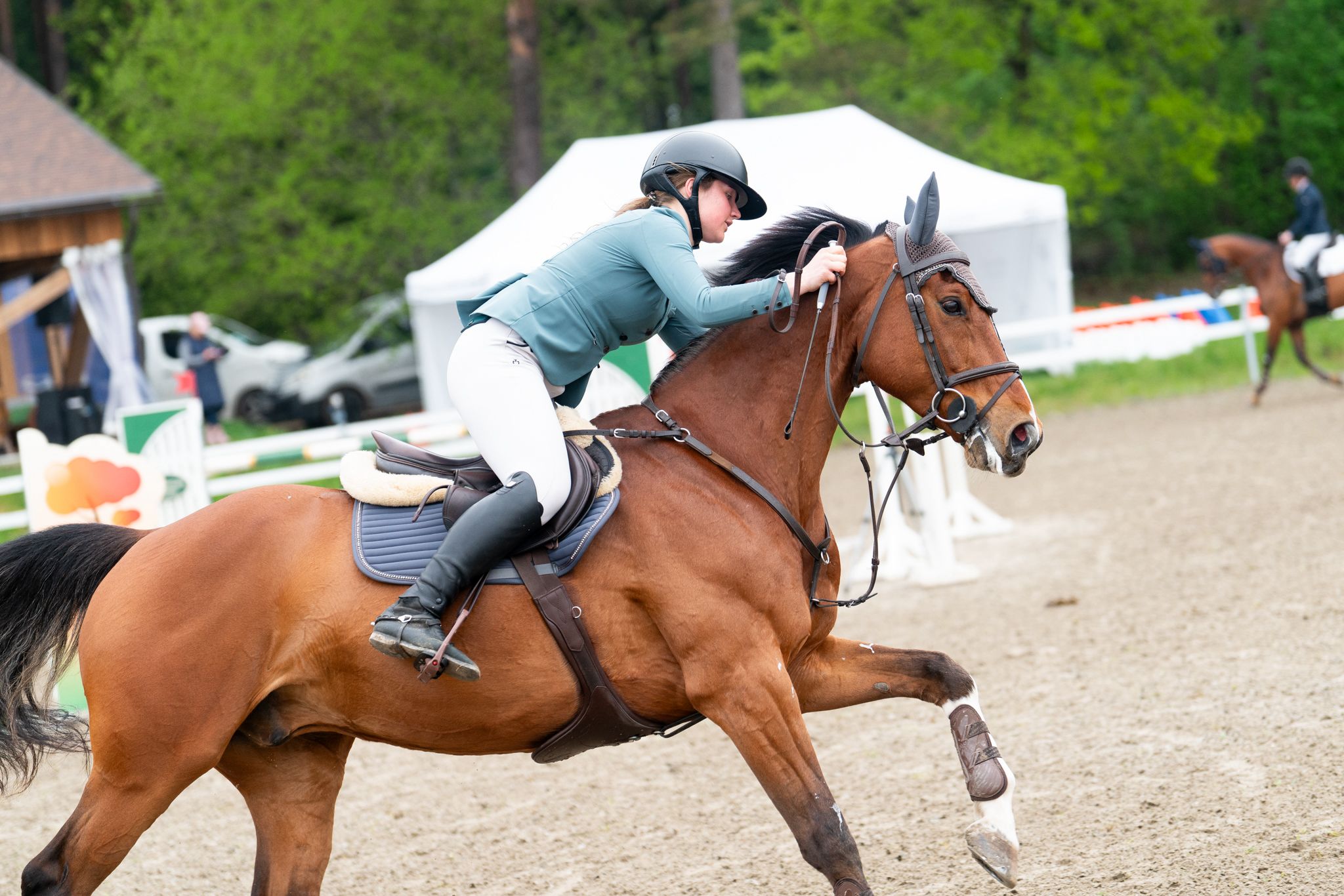
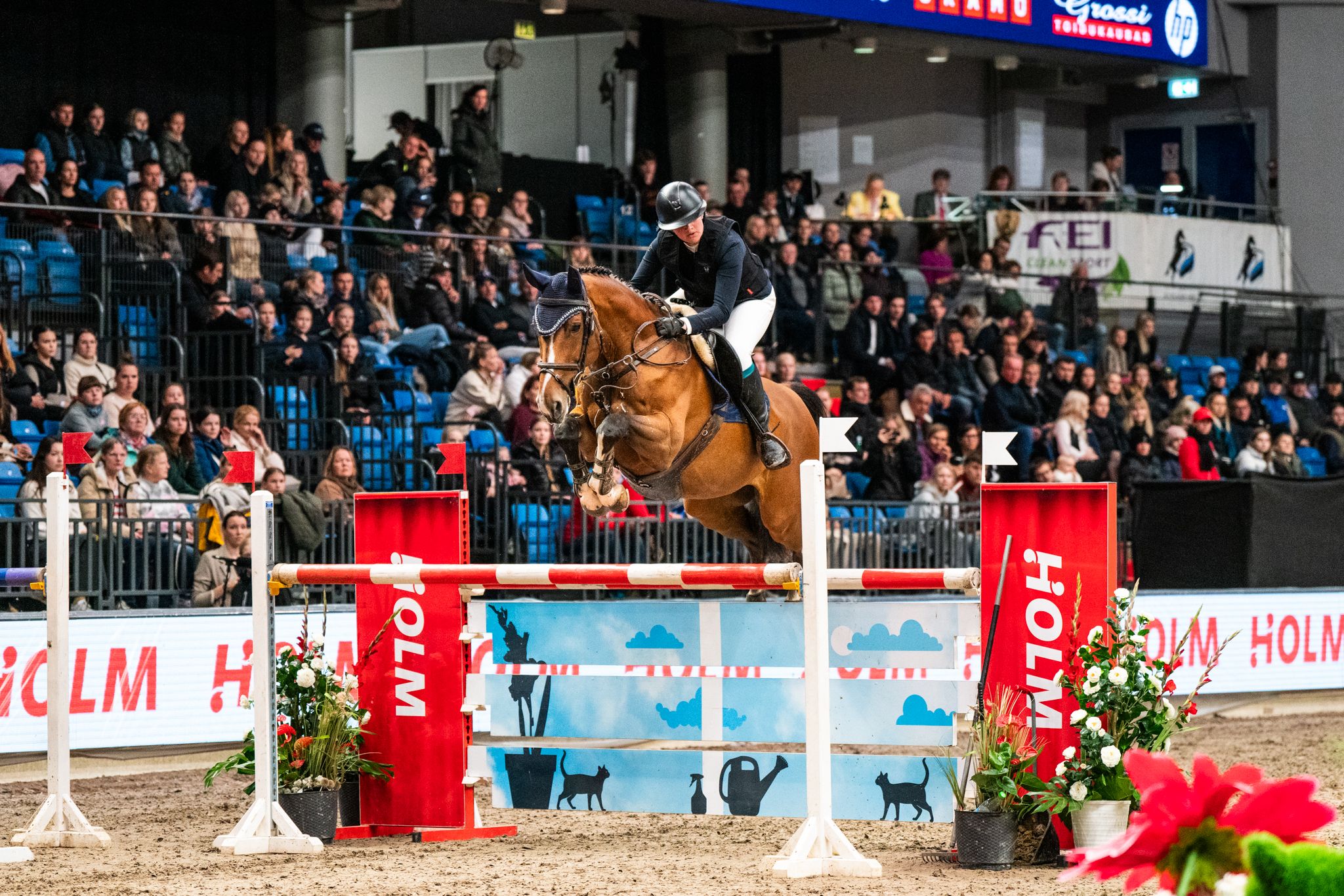
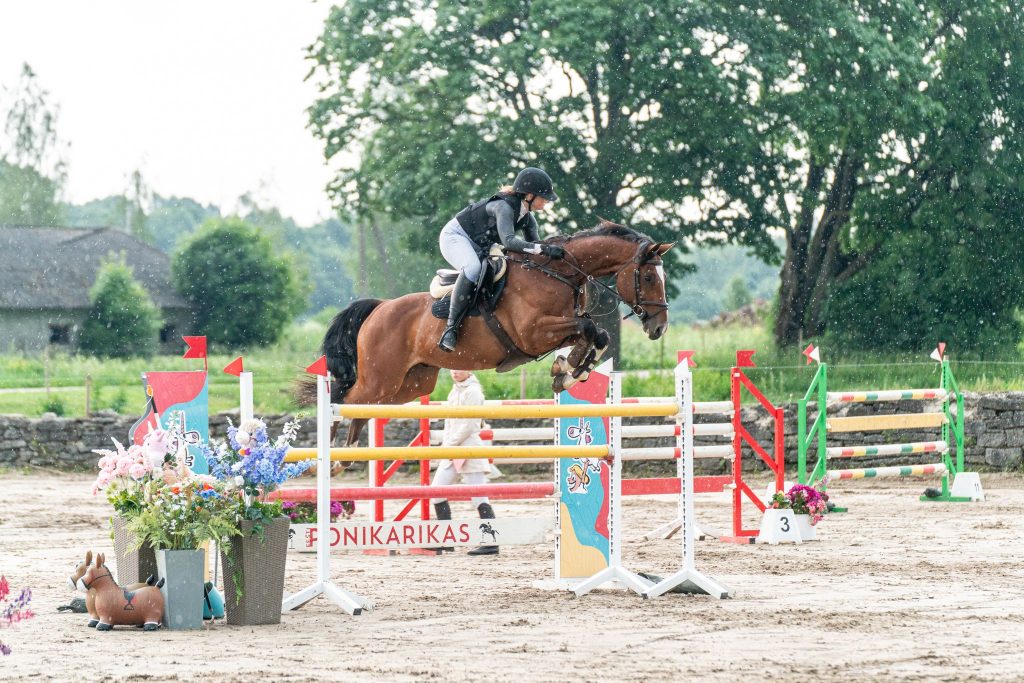
    How to choose a showjumper, an amateur rider trying a horse at a sales viewing

    How to choose a showjumper: start with your level

    Before you look at a single horse, define what you actually need. Be honest, this is the step that saves the most heartache.

    • What level do you ride now, consistently and confidently? Not your best round ever, your normal round.
    • What is your goal for the next two to three years? Compete nationally, jump comfortably for fun, bring a young horse along?
    • How much horse can you ride? A bold, sensitive, careful jumper takes a tactful rider. A genuine, forgiving horse covers for small mistakes.

    The most common buying mistake is purchasing for your ambitions rather than your ability. A horse that needs a stronger ride than you can give will not make you better, it will frighten you both. The right horse meets you where you are and grows with you.

    Temperament is the trait that decides everything

    Ask any professional what matters most in an amateur’s horse and the answer is rarely scope or bloodlines. It is temperament. A horse with a trainable brain and a genuine attitude toward its work makes every part of ownership easier, schooling, warming up at a noisy show, recovering from a green mistake. A horse with enormous ability and a difficult mind makes all of it harder.

    Temperament is also the hardest thing to judge from a video. A horse can look saintly in an edited sales clip and be a different animal in a strange arena. This is exactly why we sit on every horse we present and watch it handled on the ground, the brain only reveals itself in person.

    Conformation: build determines durability

    A showjumper’s conformation is not about looking pretty. It is about whether the horse can do the job, comfortably, for years. The ideal jumper has:

    • Un strong, well-connected back that can carry and transmit power;
    • Un well-set neck for balance and adjustability between fences;
    • Sloping shoulders and good limb angles that absorb the shock of landing;
    • Correct, durable legs and feet, the foundation everything else stands on.

    You do not need a textbook-perfect horse; very few exist. You need a horse whose build suits the work and has no glaring weakness that will break down under it. Minor imperfections matter far less than soundness and a body that moves in balance.

    Which breeds suit show jumping?

    Most top jumpers are warmbloods, prized for the combination of power, agility and rideable temperament the sport demands. Each European studbook has its own identity, and buyers often search by name:

    • Le Holsteiner (Germany), careful, scopey, classic jumping blood.
    • KWPN (Netherlands), modern, rideable, hugely successful in the ring.
    • Le hanovrien (Germany), athletic and versatile.
    • BWP / Belgian Warmblood and Zangersheide (Belgium), top-level Grand Prix lines.
    • Selle Français (France), bold, blood-y, brave.

    Breed is a useful filter, not a guarantee. A well-bred horse with the wrong temperament for you is still the wrong horse. Use the studbook to narrow the search, then judge the individual in front of you.

    Age: how young is too young?

    Age is where buyers most often overreach, seduced by the price of a green horse or the romance of “bringing one along.” A sensible rule for amateur riders is to buy a horse no younger than seven. By that age the horse has competition miles, its personality is established, and you can see how it behaves under pressure rather than guessing from potential.

    • Green riders / amateurs: an experienced horse of 8 to 14, a “schoolmaster” that knows its job.
    • Confident, competitive riders: a 6 to 8 year old with miles and room to move up.
    • Professionals or those with professional support: young prospects of 4 to 6 to produce.

    There is no prize for owning the youngest horse. There is enormous value in owning the right one.

    Budget for the whole horse, not just the price tag

    The purchase price is the beginning of the cost, not the end. Before you set a budget, account for the full picture:

    • Ongoing costs: boarding, feed, farrier, routine veterinary care, insurance, competition fees and training, these dwarf the purchase price over a horse’s life with you.
    • The vetting: always budget for a full visite d’achat with radiographs.
    • Import, if buying abroad: if you are buying in Europe, add the coût de l’importation du cheval vers les États-Unis, généralement plusieurs milliers de dollars en plus du prix.

    Un cheval que vous pouvez acheter mais pas entretenir correctement est un cheval que vous ne pouvez pas vous permettre. Fixez un budget global réaliste et achetez à l’intérieur.

    Always ride the horse, and watch it vetted

    Two non-negotiables before any money changes hands. First, ride it yourself, ideally more than once, in more than one setting. A horse can look made for you on video and feel wrong underneath you. Second, vet it independently: commission your own visite d’achat with a vet who has no connection to the seller.

    If you cannot travel to Europe to ride every horse on your shortlist, this is precisely where a agent acheteur gagne sa vie, en montant le cheval pour vous, en filmant honnêtement, et en remplaçant votre œil et votre assiette jusqu’à ce que vous puissiez venir.

    The right horse is a match, not a trophy

    The best showjumper for you is the one that fits your level today and has the temperament, soundness and trainability to grow with you tomorrow. It is rarely the flashiest horse in the stable and almost never the cheapest. It is the honest one, the one that makes you a braver, better rider rather than a more nervous one. Browse the horses we currently have available to see the kind we present.

    Red flags in a sales listing or video

    Most of a buyer’s first impressions come from a listing and a sales video, and both are marketing. Learning to read them critically saves wasted trips. Be cautious when a video is heavily edited with very short clips and lots of cuts, honest sellers show longer, continuous footage. Watch for a horse that is only ever shown in one setting, never away from home or at a show, and for listings that talk endlessly about bloodlines and scope while saying almost nothing about temperament or rideability. Vague answers about why a genuinely lovely horse is for sale, or pressure to “decide quickly because there’s another buyer,” are reasons to slow down, not speed up.

    None of these is automatically disqualifying, but each is a prompt to ask more questions. A horse worth buying will withstand scrutiny.

    Questions to ask the seller before you travel

    Before booking a flight to try a horse, a few direct questions will tell you whether the trip is worth making:

    • Why is the horse for sale, and how long has the current owner had it?
    • What is its competition record, and at what height is it genuinely confirmed?
    • Has it ever had a soundness issue, time off, or veterinary treatment?
    • How is it to handle day to day, loading, clipping, the farrier, turnout?
    • Will the seller allow an independent pre-purchase exam with my own vet?

    The answers matter, but so does the manner. A straightforward seller answers plainly. Hesitation or defensiveness around the basics is itself an answer.

    Mare, gelding or stallion for an amateur?

    Sex is not destiny, but it is worth a thought for an amateur. Geldings are the default choice for most amateur riders: consistent, uncomplicated, and the same horse week to week. Mares can be exceptional, many top jumpers are mares, though some are more sensitive and opinionated, which a tactful rider enjoys and a nervous one finds harder. Stallions are rarely the right answer for an amateur in a busy boarding environment; they demand experienced handling and dedicated facilities. If you are buying in Europe to import, remember that a gelding is also the cheapest and fastest horse to bring home, which only adds to the case.

    How a sourcing brief works

    If you work with a buyer-side agent, the search starts with a brief rather than a specific horse. The more honestly you describe yourself, the better the match. A good brief covers your current level and recent results, your goal for the next two to three years, your all-in budget including the vetting and import, your timeline, and any deal-breakers, a hard height ceiling, a temperament you cannot ride, a colour or sex preference. With that in hand, a good agent does the filtering for you, presenting only the handful of horses that genuinely fit rather than every horse that is for sale. It turns an overwhelming search into a short, honest shortlist.

    Questions fréquentes

    What age is best for a first showjumper?

    For most amateurs, a horse between eight and fourteen with real mileage. It has an established personality and a known way of going, so there are far fewer unknowns than with a green youngster.

    Is a more expensive horse always a better horse?

    No. Price reflects talent, age, record and scope, not how well a horse suits you. The right horse for your level is often far from the most expensive one in the stable.

    Should I buy a horse from a video without trying it?

    Only with experienced eyes on your side. If you cannot ride the horse yourself, a trusted buyer-side agent who sits on it for you is the safeguard that makes a remote purchase sensible.

    Trying the horse: what to feel for in the saddle

    When you finally sit on a horse, the goal is not to jump the biggest fence you can. It is to feel whether this is a horse you want to ride every day. Notice the basics first: does it walk off relaxed, does it stand still to mount, does it feel honest in your hand rather than fighting or hiding behind the contact? In the canter, look for a rhythm you can sit to comfortably and adjust without a battle, the adjustability between fences is what makes a horse rideable in a course.

    Over fences, prize honesty over scope. A horse that meets a slightly wrong distance and helps you out of it is worth more to an amateur than one that jumps the moon but punishes a small mistake. Ask to do something slightly unplanned, a different line, a halt, a transition, to see how the horse copes when the script changes. And if you can, ride it twice on different days. The horse that is the same on both visits is the honest one, and honesty is the single most valuable trait you can buy.

    Not sure what fits you? Tell us your level, your goals and your budget, and we will source horses built to match, not just to impress. Lancer une recherche et nous chercherons pour vous.
  • The Pre-Purchase Exam: A Buyer’s Handbook

    La visite d’achat : le guide de l’acheteur

    Le coût de la visite d’achat est le meilleur argent que vous dépenserez dans tout le processus d’achat, et la partie sur laquelle les acheteurs essaient le plus souvent d’économiser. Une visite d’achat n’est pas une formalité à cocher avant de virer l’argent. C’est le seul moment où un expert indépendant vous dit, en termes clairs, ce que vous achetez réellement. Ce guide explique ce que coûte une visite d’achat en 2026, ce qu’elle doit comprendre pour un cheval de saut, et comment lire le compte rendu sans paniquer.

    Nous assistons à des visites d’achat en permanence. Les acheteurs qui prennent de bonnes décisions ne sont pas ceux qui trouvent un cheval “propre”. Ce sont ceux qui comprennent ce que les trouvailles signifient pour leur projet.

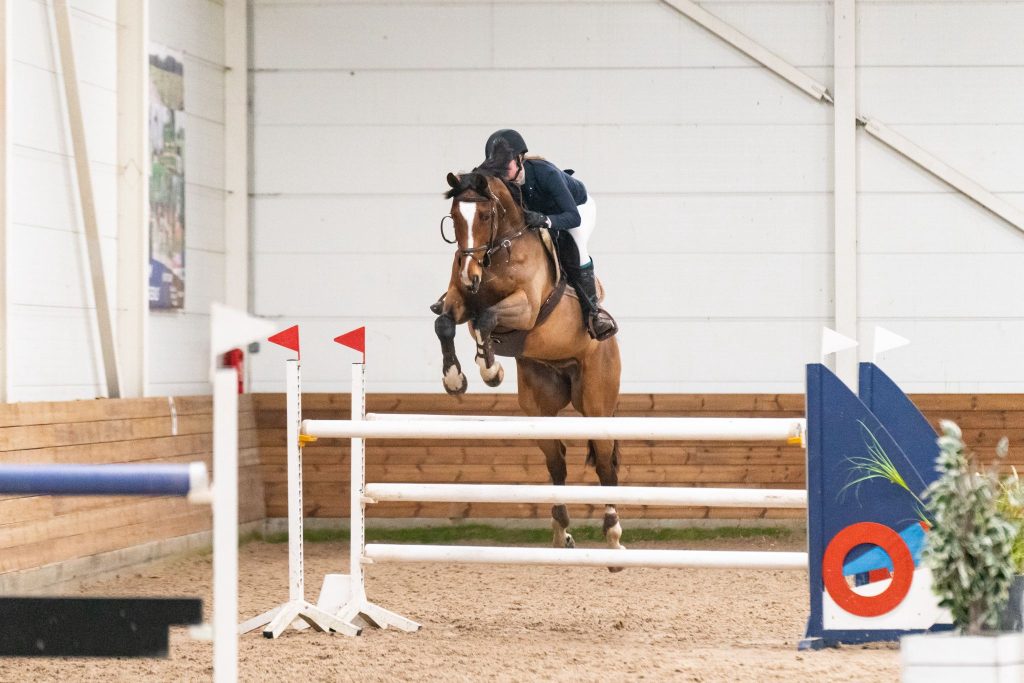
    A pre purchase exam of a showjumper, assessing soundness before the horse cost is agreed

    Combien coûte une visite d’achat ?

    En 2026, une visite d’achat coûte généralement entre 250 et 2 000 dollars ou plus, selon le niveau de détail choisi.

    • Examen de base : environ $250-$500. Un examen clinique et de locomotion sans imagerie.
    • Examen standard pour cheval de sport : environ $800-$1,500 dès que l’on ajoute une série de radiographies.
    • Visite d’achat complète de performance : $2,000+ avec une série étendue de radios, une analyse de sang, et parfois une échographie ou une endoscopie.

    Pour un sauteur, l’examen de base ne suffit presque jamais. Un cheval qui concourt, ou que vous comptez faire concourir, doit avoir un examen clinique complet et des radiographies. Le coût des clichés est dérisoire comparé au coût de découvrir un problème une fois le cheval chez vous.

    Pourquoi la visite d’achat d’un cheval de saut coûte plus cher

    Une trouvaille sans importance pour un cheval de promenade peut être un facteur limitant sérieux pour un sauteur qui réceptionne d’un oxer de 1,40 m dix fois par jour. Les forces qui traversent les antérieurs, les jarrets et le dos d’un cheval de sport sont énormes, et la visite d’achat est votre seule occasion de regarder à l’intérieur avant d’en assumer les conséquences.

    C’est pourquoi nous recommandons toujours un examen complet avec radiographies pour tout cheval destiné à sauter, même s’il concourt actuellement à un niveau inférieur à son futur métier. Le cheval doit être sain pour le travail que vous avez prévu, pas seulement pour celui qu’il fait aujourd’hui.

    Ce que comprend une visite d’achat complète

    Une bonne visite d’achat n’est pas un test mais une séquence. Un examen complet de cheval de sport doit couvrir :

    1. Historique et identification

    Le vétérinaire passe en revue l’historique médical et sportif du cheval et vérifie son identité par rapport au passeport. Les trous dans l’historique sont eux-mêmes une information.

    2. Examen clinique statique

    Cœur, poumons, yeux, dents, peau et membres sont examinés au repos. Le vétérinaire palpe les jambes et le dos, cherche chaleur, gonflement et douleur, et regarde les pieds, là où commencent un nombre surprenant de problèmes.

    3. Évaluation dynamique et de locomotion

    Le cheval est évalué en main et monté : au pas, au trot, sur sol dur et sol souple, à la longe, et sous la selle. Le vétérinaire guette la moindre irrégularité d’allure dans différentes conditions.

    4. Tests de flexion

    Chaque membre est fléchi puis le cheval part immédiatement au trot. Une flexion positive n’est pas automatiquement rédhibitoire, mais elle indique au vétérinaire où regarder de plus près.

    5. Imagerie diagnostique (radiographies)

    Les radiographies sont le cœur d’une visite d’achat de cheval de sport. Une série standard couvre les pieds antérieurs, les boulets, les jarrets et les grassets ; une série étendue ajoute le dos et l’encolure. Les radios révèlent des modifications, fragments osseux, arthrose, kissing spines, qu’aucune séance de travail ne vous montrera.

    6. Analyse de sang

    Une prise de sang peut être faite pour rechercher des anti-inflammatoires qui masqueraient un problème, et, si vous importez le cheval vers les États-Unis, pour les maladies exigées à la frontière. Faire les deux lors de la même visite économise du temps et de l’argent.

    “Apte” ou “inapte” est la mauvaise question

    Voici la chose la plus importante à comprendre sur une visite d’achat : le vétérinaire ne recale ni ne valide un cheval. Ce n’est pas son rôle.

    Une visite d’achat est une évaluation du risque. Le vétérinaire apprécie les trouvailles au regard de l’ usage prévu du cheval et vous donne les informations pour décider en connaissance de cause. Un sauteur de 12 ans avec une légère arthrose d’un jarret peut être un partenaire amateur parfait et honnête à 1,20 m pour les quatre prochaines années, et totalement inadapté comme investissement d’un jeune cavalier à revendre avec bénéfice. Même cheval, mêmes radios, deux réponses différentes, parce que les acheteurs sont différents.

    Quand quelqu’un vous dit qu’un cheval a “échoué à la visite”, cela veut généralement dire que les trouvailles ne correspondaient pas au projet de cet acheteur-là. Votre travail, avec votre vétérinaire, est de décider ce que les trouvailles signifient pour votre projet.

    Choisissez votre propre vétérinaire, jamais celui du vendeur

    La règle la plus importante de la visite d’achat est aussi la plus ignorée : le vétérinaire doit être indépendant. Le vétérinaire qui examine un cheval que vous achetez doit être un vétérinaire équin expérimenté avec les chevaux de sport ; n’avoir aucune relation antérieure avec le cheval ; ne travailler ni pour le vendeur ni pour l’agent vendeur ; et n’avoir aucun intérêt financier à ce que la vente se fasse.

    Si le vendeur propose d’organiser “son” vétérinaire, déclinez poliment et amenez le vôtre. Il ne s’agit pas de méfiance ; il s’agit d’obtenir un avis qui vous répond à vous. Un agent acheteur commandera toujours un vétérinaire indépendant, parce que sa loyauté, comme celle du vétérinaire, va vers vous.

    Comment lire le compte rendu sans paniquer

    Les comptes rendus de visite d’achat font peur. Ils sont écrits en langage clinique et listent chaque trouvaille, même mineure, parce que le vétérinaire vous protège et se protège. Presque aucun cheval de plus de six ans ne ressort avec un rapport totalement vierge.

    • Séparez les trouvailles des conclusions. Demandez directement au vétérinaire : “Compte tenu de l’usage que je compte faire de ce cheval, qu’est-ce qui vous inquiète et qu’est-ce qui ne vous inquiète pas ?”
    • Pesez les trouvailles au regard du prix et du projet. Un petit souci sur un cheval amateur correctement valorisé, ce n’est pas du tout la même chose que le même souci sur un espoir à six chiffres.
    • Posez la question de l’évolution. Cette trouvaille va-t-elle probablement rester stable, ou s’aggraver avec le travail ? Cette seule question sépare une particularité gérable d’un problème futur.

    Ce que vaut réellement une bonne visite d’achat

    Une visite d’achat ne garantit pas qu’un cheval restera sain, rien ne le peut. Ce qu’elle vous achète, c’est un consentement éclairé. Vous partez en connaissant les points faibles du cheval, le prix les reflète, et il n’y a pas de mauvaise surprise trois mois plus tard. Nous avons renoncé à de très beaux chevaux à cause d’une visite, et acheté avec plaisir des chevaux avec des trouvailles parce que le prix et le projet tenaient debout. L’examen n’a pas décidé à notre place. Il nous a donné les faits pour décider nous-mêmes. Quand vous serez prêt, voyez les chevaux actuellement disponibles.

    Ce que la visite d’achat ne couvre pas

    Une visite d’achat est puissante, mais c’est une photo d’un jour, pas une garantie. En comprendre les limites garde vos attentes réalistes. Une visite d’achat ne peut pas prédire l’avenir : un cheval sain le jour J peut développer un problème le mois suivant, comme n’importe quel athlète. Ce n’est pas non plus une garantie de mental, le vétérinaire évalue l’intégrité physique, pas si le cheval convient à votre équitation ou à vos nerfs. Et sauf si vous les demandez et les payez spécifiquement, elle n’inclura pas d’imagerie avancée comme l’IRM ou la scintigraphie, réservées au suivi d’une inquiétude précise plutôt qu’au dépistage de routine.

    Rien de tout cela ne rend l’examen moins utile. Cela signifie simplement que la visite répond à la question “à quoi ressemble ce cheval à l’intérieur, aujourd’hui ?”, et non “ce cheval restera-t-il sain pour toujours ?” Aucun examen ne peut répondre à la seconde question, et tout vendeur qui promet le contraire en fait trop.

    Vétériner un jeune cheval ou un cheval fait

    La profondeur d’examen adaptée dépend de ce que vous achetez. Un jeune espoir de quatre ou cinq ans a peu d’historique en concours, donc les radiographies pèsent davantage : vous achetez en partie du potentiel, et des clichés propres vous assurent que ce potentiel n’est pas déjà compromis. Avec un jeune cheval, faites particulièrement attention aux trouvailles de développement dans les jarrets et les grassets.

    Un cheval fait de dix ou douze ans montrera presque certainement une certaine usure, et c’est normal. Avec un cheval plus âgé, la question n’est pas de savoir s’il y a des trouvailles, mais si ces trouvailles sont cohérentes avec le travail qu’il a fait et assez stables pour continuer le métier que vous avez en tête. Un peu d’entretien chez un honnête cheval d’école, ce n’est pas du tout la même chose que des signes de dégénérescence précoce chez un cheval dont vous espériez dix ans. Adapter le cheval à votre niveau compte autant que la visite d’achat, et c’est pourquoi il est utile de savoir comment choisir un cheval de saut adapté à votre niveau.

    Qui organise la visite, et qui paie

    C’est l’acheteur qui organise et paie la visite d’achat. C’est ce qui la garde indépendante : celui qui paie le vétérinaire est celui à qui le vétérinaire répond. Prévoyez de régler les honoraires directement, et d’organiser le rendez-vous vous-même ou par votre agent plutôt que de laisser le vendeur “s’en occuper”. La seule obligation du vendeur est de mettre le cheval à disposition, dans un état correct, dans une installation adaptée avec les sols nécessaires pour évaluer la locomotion. Si un vendeur résiste à une visite indépendante, considérez cela comme une information en soi.

    Questions fréquentes

    Combien de temps dure une visite d’achat ?

    Un examen complet de cheval de sport avec radiographies prend généralement deux à trois heures. La lecture et le compte rendu des clichés peuvent ajouter un ou deux jours avant que vous n’ayez le rapport écrit complet.

    Puis-je faire relire les radios par mon propre vétérinaire ?

    Tout à fait, et pour un cheval cher c’est même sage. Les radiographies se partagent en numérique, donc votre vétérinaire habituel peut donner un second avis sur des clichés pris en Europe avant que vous ne vous engagiez.

    Une visite propre garantit-elle que le cheval est sain ?

    Non. Elle vous dit que le cheval n’a montré aucun problème significatif le jour de l’examen. C’est une information précieuse, mais ce n’est pas une garantie contre une blessure future, qu’aucun examen ne peut offrir.

    Dois-je sauter les radios pour économiser ?

    Pour un sauteur, non. C’est dans les radiographies que se trouvent les problèmes cachés les plus coûteux. Les sauter pour économiser quelques centaines de dollars est la fausse économie qui finit en facture vétérinaire bien plus lourde.

    Les trouvailles fréquentes et ce qu’elles veulent dire

    Comme le rapport liste tout, il est utile de savoir quelles trouvailles sont courantes et lesquelles méritent une conversation plus longue avec votre vétérinaire. Les notes ci-dessous sont une orientation générale, pas un avis vétérinaire : chaque cheval et chaque projet sont différents.

    • Arthrose légère des jarrets. Extrêmement fréquente chez les chevaux de sport âgés et souvent gérable avec un entretien de routine. La question est le degré et l’évolution.
    • Fragments osseux (OCD). Fréquents, surtout chez les jeunes chevaux. Beaucoup sont cliniquement silencieux ; certains sont retirés en routine. Ce qui compte, c’est leur localisation et s’ils provoquent une réaction.
    • Kissing spines. Le rapprochement des processus épineux apparaît sur les radios de dos de beaucoup de chevaux sains et en travail. L’essentiel est de savoir si le cheval est réellement douloureux ou limité, pas l’image seule.
    • Modifications naviculaires. Dans les pieds antérieurs, elles demandent une interprétation prudente au regard de la locomotion du cheval, car elles vont de l’anodin au significatif.

    Le schéma est constant : une trouvaille sur un cliché est le début d’une question, pas sa fin. Des chevaux sains et en concours portent régulièrement des modifications mineures, et le rôle de l’examen est de les peser au regard du prix et du projet plutôt que de courir après une image parfaite qui n’existe pas.

    Vous achetez un sauteur en Europe ? Nous commandons une visite d’achat indépendante sur chaque cheval que nous présentons et nous vous expliquons les trouvailles en langage clair. Lancer une recherche et nous chercherons des chevaux faits pour bien passer la visite à votre niveau.

    Côté vente, c’est exactement le rapport que le vétérinaire d’un acheteur étranger produira sur votre cheval, et c’est pourquoi des clichés récents et un historique honnête raccourcissent tout le processus. Voyez comment nous annonçons et représentons des chevaux à vendre en Europe.

  • Importing a Showjumper from Europe to the USA: The Complete 2026 Guide

    Importer un cheval de saut d’Europe vers les États-Unis : le guide complet 2026

    If you are buying a jumper from Germany, the Netherlands, Belgium or France, learning comment importer un cheval d’Europe vers les États-Unis is the part of the process most buyers underestimate. The purchase is the exciting bit. The import, the blood work, the quarantine, the flight, the paperwork, is where timelines slip and budgets blow out. This guide walks through every stage, in order, with real 2026 numbers, so you arrive at the airport in Wellington or Lexington with no surprises.

    We work on the buyer’s side every week, and we have learned that the buyers who enjoy the process are the ones who understand it before they fall in love with a horse. It also helps to understand comment choisir un cheval de saut adapté à votre niveau before the search begins.

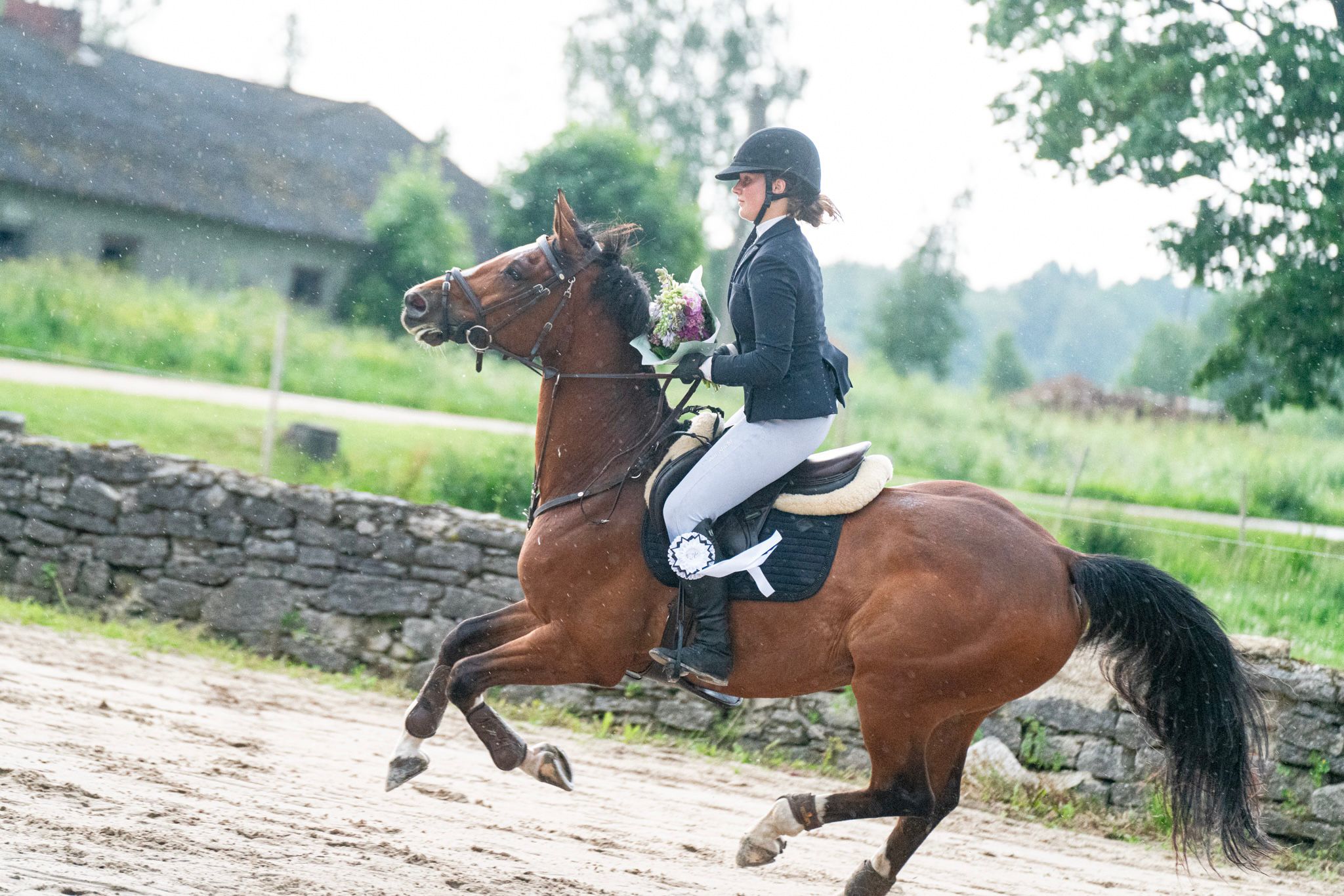
    How to import a horse from Europe to the USA, a showjumper prepared for export

    How to import a horse from Europe to the USA: the timeline

    From the moment you sign to the moment your horse lands in the United States, plan on four to eight weeks. Geldings move faster; mares and stallions take longer because of additional quarantine requirements.

    • Week 1: Pre-purchase exam completed, export blood work drawn, sale finalised.
    • Weeks 2 to 4: Blood results returned, flight booked, the horse collected and staged near the departure airport (Amsterdam, Liège, or Frankfurt).
    • Week 4 to 5: Flight to a US port of entry, most commonly New York (JFK), Los Angeles, or Miami.
    • Weeks 5 to 8: USDA and, for mares and stallions, CEM quarantine completed; the horse is released to you.

    The single biggest cause of delay is blood work. Export tests have to be drawn, sent to specific laboratories, and returned clear before a horse can fly. Start them early.

    The export blood work every buyer should plan for

    Every horse imported into the United States is tested for a defined set of diseases. The official entry tests are run at the US port of entry during the arrival quarantine, but responsible sellers and agents screen for them in Europe first, because a positive result means the horse is refused at the border rather than simply delayed. When you arrange your visite d’achat, ask the vet to draw bloods at the same visit, it saves a second trip and several days.

    • Equine Infectious Anemia (EIA / Coggins)
    • Piroplasmosis
    • Glanders
    • Dourine
    • Contagious Equine Metritis (CEM), relevant for mares and stallions

    Piroplasmosis is the test that catches buyers out. A horse that tests positive cannot enter the United States through the normal route, and treatment is long and not always successful. This is one reason we never rely on a sales video alone, a horse that looks perfect on screen is worth nothing to a US buyer if it cannot clear export testing.

    Understanding US quarantine, and why sex matters

    Every horse imported into the United States spends time in government quarantine on arrival. This is not optional, and it is where the cost difference between a gelding and a mare or stallion becomes significant.

    USDA quarantine (all horses)

    Every imported horse spends its first period on US soil in USDA quarantine, a short stay, typically around 3 days, that costs roughly $3,250 as of 2026. Geldings are usually released after this step.

    CEM quarantine (mares and stallions only)

    Mares and stallions transfer into a separate CEM quarantine to test for Contagious Equine Metritis. This is the expensive part: mares spend roughly 15 days at around $3,400; stallions stay roughly 33 days at around $9,700, undergoing test breeding as part of the protocol.

    This is why, all else being equal, a gelding is the cheapest horse to import and a stallion the most expensive. If two horses are otherwise equal for your programme, the import maths alone can be worth thousands of dollars.

    What does it actually cost to import a horse to the USA?

    Le horse import cost USA buyers should budget, separate from the purchase price of the horse, looks roughly like this in 2026:

    ItemApproximate cost (USD)
    Transatlantic flight (shared container)$7,000 to $10,000
    USDA quarantine (all horses)~$3,250
    CEM quarantine, mares~$3,400
    CEM quarantine, stallions~$9,700
    Export blood work & vet paperwork$500 to $1,500
    Ground transport (Europe + US side)$500 to $2,000

    A gelding flying in a shared container can land for around $11,000-$14,000 all-in on top of the purchase price. A stallion can run several thousand more because of the extended CEM protocol. Costs come down when several horses travel together, one advantage of buying through an agent who ships regularly. These are ballpark figures, not quotes: currency movement, the departure airport and the season all move the number. Build a buffer.

    Choosing a flight and a port of entry

    Horses do not fly in the cargo hold like luggage. They travel in specially designed air stalls, two or three horses to a container, accompanied by a professional flying groom. Your horse is collected from its home stable two to four days before the flight so a government veterinarian can complete the health and export papers before departure.

    The three most common US ports of entry for sport horses are New York (JFK), Los Angeles, et Miami. A jumper bound for the winter circuit in Wellington, Florida usually clears through New York or Miami and vans down; a West Coast buyer near Thermal routes through Los Angeles. Matching the port to the destination saves days of domestic ground transport.

    The paperwork that actually matters

    • Health certificate issued by an official European veterinarian close to departure.
    • Negative test results for the diseases listed above.
    • Equine passport with up-to-date identification and vaccination records.
    • US import permit and customs entry, handled by your customs broker or agent.

    A horse with an incomplete or out-of-date passport can be held up at either end. Before you commit, confirm that the passport and vaccinations are current, a small detail that causes large delays.

    Why most American buyers use a sourcing agent

    You can import a horse yourself. Plenty of people do. But the reason a growing number of American buyers work with a European-based sourcing agent is simple: the agent has stood in the stable, sat on the horse, and seen the vetting in person, and they coordinate the import so the parts connect.

    • Filters before you fall in love. We only present horses we believe will clear export testing and a US-standard visite d’achat.
    • Coordinates the timeline. Blood work, flight, quarantine and ground transport all interlock. One missed lab cut-off can add two weeks.
    • Protects your interests, not the seller’s. A buyer-side agent is paid by you and answers to you.

    A realistic first step

    The buyers who import successfully start with a clear brief rather than a specific horse. Tell us the level you ride, your budget including the import, and your timeline, whether you need the horse on the ground for Wellington in January or simply want the right one when it appears. You can also browse the horses we currently have available.

    What can go wrong, and how to avoid it

    Most import problems are not dramatic. They are small scheduling errors that compound. After managing this process repeatedly, the same handful of mistakes account for almost every delayed horse and blown budget.

    • Leaving blood work to the last minute. Export labs run on their own calendar. Draw bloods at the pre-purchase exam, not the week before the flight.
    • Forgetting the horse’s sex changes the cost. Buyers budget for a gelding and then fall for a stallion, only to discover the CEM protocol adds thousands of dollars and weeks of quarantine.
    • Ignoring the passport. An out-of-date passport or missing vaccination line can hold a horse on the ground at either end. Check it before you pay.
    • Booking the wrong port. Flying into the wrong coast adds days of domestic vanning and unnecessary stress on the horse.

    Insuring your horse for transit

    A transatlantic flight is the single highest-risk moment in a horse’s journey to you, and it is also the one most buyers forget to insure. Mortality and transit insurance is inexpensive relative to the value of the horse and the cost of the flight, and it should be arranged before the horse leaves its home stable, not at the airport. If you are buying a six-figure jumper, full mortality and major-medical cover for the import window is not optional. Speak to an equine insurer the moment the sale is agreed, and make sure the policy is active for the collection, staging, flight and quarantine, not just the flight itself.

    Arrival day and the letdown period

    Your horse will land tired. A long-haul flight, the noise, the change in air pressure and the strange handlers all take a toll, and quarantine is not a holiday. Plan for a letdown period of two to four weeks once the horse reaches your barn before you ask any real work of it. Some horses lose a little weight and condition in transit and need time to settle, rehydrate and find their feet in a new climate, the move from a cool European winter to Florida humidity is a genuine adjustment. Resist the urge to school the day it arrives. The horses that start well in their new homes are the ones whose owners gave them time.

    It also pays to have your own veterinarian see the horse shortly after arrival, both to establish a baseline and to confirm everything that travelled on paper matches the horse standing in front of you. This is routine, but it closes the loop on a long process and gives you peace of mind before the real work begins.

    Questions fréquentes

    What is involved in a European sport horse import? A European sport horse import means buying a horse in Europe and shipping it to the United States. The core steps are the export blood work, a transatlantic flight in an air stall, and government quarantine on arrival. Plan four to eight weeks, and if you are still deciding how to source the horse, read our guides to acheter un cheval de saut en Europe et working with a buyer’s agent.

    How long is the flight from Europe to the USA?

    The flight itself is usually eight to eleven hours depending on the route, but the door-to-door journey is longer once you include collection two to four days before departure, staging near the airport, and quarantine on arrival.

    Can my horse fly with other horses?

    Yes, and it is usually cheaper when it does. Horses travel two or three to an air stall container with a professional flying groom, and shared shipments bring the per-horse cost down considerably.

    What is the cheapest horse to import?

    A gelding, every time. Geldings skip the lengthy CEM quarantine that mares and stallions require, which removes both the largest single cost and several days of board.

    Do I have to be at the airport to receive the horse?

    No. The shipping agent or your sourcing agent coordinates customs clearance, quarantine and onward ground transport. Most buyers first see their horse when it arrives at their own barn.

    When to start the import, and timing around the season

    Timing is the quiet variable that decides whether an import feels calm or frantic. If your goal is to be competing in Wellington for the winter circuit, which runs from January into April, you cannot start looking in December. Work backwards: a four-to-eight-week import window, plus a two-to-four-week letdown period, plus the time to actually find and try the right horse, means the search should begin in the early autumn for a horse that is settled and ready by January.

    Season also affects supply and price. European sellers know when American buyers are shopping for Florida, and the best horses move early. Starting ahead of the rush gives you a wider choice and more leverage, rather than competing for whatever is left when everyone else is buying. The buyers who land a great horse in time are almost always the ones who began the conversation months before they needed the horse on the ground.

    Vous cherchez un cheval de saut en Europe ? We find them quietly, vet them honestly, and manage the import end to end. Lancer une recherche and tell us what you are looking for.

    Importing from Europe is not difficult once you understand the order of operations. Get the blood work moving early, budget for the quarantine your horse’s sex requires, match the port to the destination, and work with people who have done it before.

    Selling rather than buying? European sellers who want to reach American buyers face the same timing and paperwork questions from the other direction. See how we annonçons et représentons des chevaux à vendre en Europe.