Autor: Dark Magic Sporthorses

  • How to Choose a Showjumper for Your Level

    How to Choose a Showjumper for Your Level

    Learning cómo elegir un caballo de salto is less about finding the most talented horse and more about finding the right one for you. The most scopey jumper in the stable is the wrong horse if it overwhelms its rider; a modest 1.20m horse with a generous brain can be the partner of a lifetime. This guide is about matching the horse to the rider, your level, your goals, your budget and your honesty about all three.

    We meet buyers every week who have fallen for a horse that does not fit them. The hard part is not spotting talent. It is matching the right horse to the right rider. Here is how to do the same.
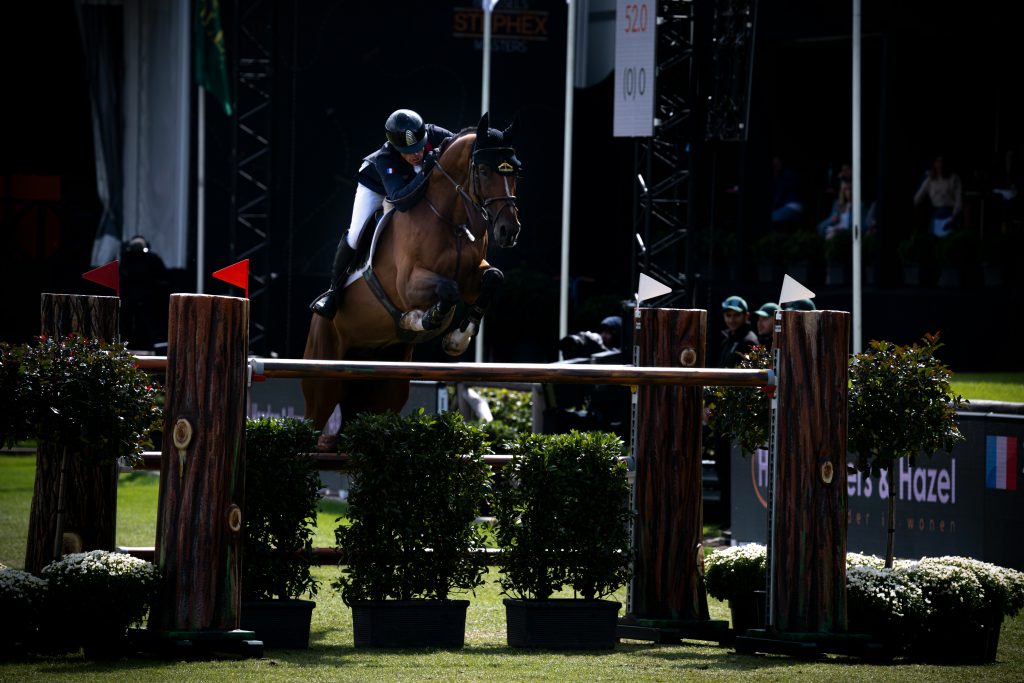
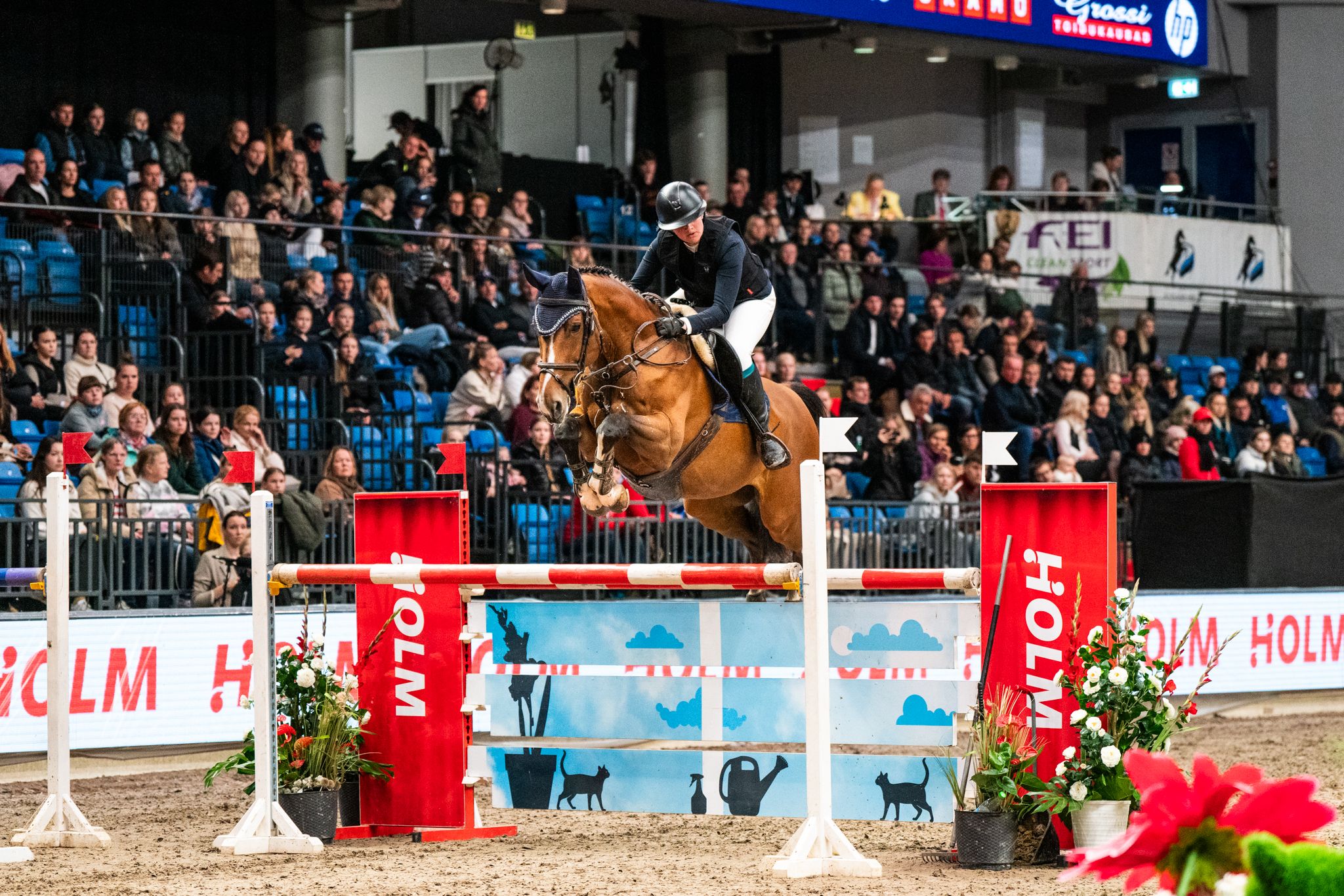
    How to choose a showjumper, an amateur rider trying a horse at a sales viewing

    How to choose a showjumper: start with your level

    Before you look at a single horse, define what you actually need. Be honest, this is the step that saves the most heartache.

    • What level do you ride now, consistently and confidently? Not your best round ever, your normal round.
    • What is your goal for the next two to three years? Compete nationally, jump comfortably for fun, bring a young horse along?
    • How much horse can you ride? A bold, sensitive, careful jumper takes a tactful rider. A genuine, forgiving horse covers for small mistakes.

    The most common buying mistake is purchasing for your ambitions rather than your ability. A horse that needs a stronger ride than you can give will not make you better, it will frighten you both. The right horse meets you where you are and grows with you.

    Temperament is the trait that decides everything

    Pregunta a cualquier profesional qué es lo que más importa en el caballo de un amateur y la respuesta rara vez es el salto o las líneas de sangre. Es el carácter. A horse with a trainable brain and a genuine attitude toward its work makes every part of ownership easier, schooling, warming up at a noisy show, recovering from a green mistake. A horse with enormous ability and a difficult mind makes all of it harder.

    Temperament is also the hardest thing to judge from a video. A horse can look saintly in an edited sales clip and be a different animal in a strange arena. This is exactly why we sit on every horse we present and watch it handled on the ground, the brain only reveals itself in person.

    Conformation: build determines durability

    A showjumper’s conformation is not about looking pretty. It is about whether the horse can do the job, comfortably, for years. The ideal jumper has:

    • A strong, well-connected back that can carry and transmit power;
    • A well-set neck for balance and adjustability between fences;
    • Sloping shoulders and good limb angles that absorb the shock of landing;
    • Correct, durable legs and feet, the foundation everything else stands on.

    You do not need a textbook-perfect horse; very few exist. You need a horse whose build suits the work and has no glaring weakness that will break down under it. Minor imperfections matter far less than soundness and a body that moves in balance.

    Which breeds suit show jumping?

    La mayoría de los mejores saltadores son warmbloods, prized for the combination of power, agility and rideable temperament the sport demands. Each European studbook has its own identity, and buyers often search by name:

    • Holsteiner (Germany), careful, scopey, classic jumping blood.
    • KWPN (Netherlands), modern, rideable, hugely successful in the ring.
    • Hanoverian (Germany), athletic and versatile.
    • BWP / Belgian Warmblood and Zangersheide (Belgium), top-level Grand Prix lines.
    • Selle Français (France), bold, blood-y, brave.

    Breed is a useful filter, not a guarantee. A well-bred horse with the wrong temperament for you is still the wrong horse. Use the studbook to narrow the search, then judge the individual in front of you.

    Age: how young is too young?

    Age is where buyers most often overreach, seduced by the price of a green horse or the romance of “bringing one along.” A sensible rule for amateur riders is to buy a horse no younger than seven. By that age the horse has competition miles, its personality is established, and you can see how it behaves under pressure rather than guessing from potential.

    • Green riders / amateurs: an experienced horse of 8 to 14, a “schoolmaster” that knows its job.
    • Confident, competitive riders: a 6 to 8 year old with miles and room to move up.
    • Professionals or those with professional support: young prospects of 4 to 6 to produce.

    There is no prize for owning the youngest horse. There is enormous value in owning the right one.

    Budget for the whole horse, not just the price tag

    The purchase price is the beginning of the cost, not the end. Before you set a budget, account for the full picture:

    • Ongoing costs: boarding, feed, farrier, routine veterinary care, insurance, competition fees and training, these dwarf the purchase price over a horse’s life with you.
    • The vetting: always budget for a full revisión veterinaria de precompra with radiographs.
    • Import, if buying abroad: if you are buying in Europe, add the coste de traer el caballo hasta España, normalmente entre 1.000 y 2.500 euros según sea transporte compartido o exclusivo.

    Un caballo que puedes permitirte comprar pero no mantener bien es un caballo que no puedes permitirte. Fija un presupuesto total realista y busca dentro de él.

    Always ride the horse, and watch it vetted

    Two non-negotiables before any money changes hands. First, ride it yourself, ideally more than once, in more than one setting. A horse can look made for you on video and feel wrong underneath you. Second, vet it independently: commission your own revisión veterinaria de precompra with a vet who has no connection to the seller.

    If you cannot travel to Europe to ride every horse on your shortlist, this is precisely where a agente de compra earns their keep, sitting on the horse for you, filming honestly, and standing in for your eye and seat until you can get there.

    The right horse is a match, not a trophy

    The best showjumper for you is the one that fits your level today and has the temperament, soundness and trainability to grow with you tomorrow. It is rarely the flashiest horse in the stable and almost never the cheapest. It is the honest one, the one that makes you a braver, better rider rather than a more nervous one. Browse los caballos que tenemos disponibles to see the kind we present.

    Red flags in a sales listing or video

    Most of a buyer’s first impressions come from a listing and a sales video, and both are marketing. Learning to read them critically saves wasted trips. Be cautious when a video is heavily edited with very short clips and lots of cuts, honest sellers show longer, continuous footage. Watch for a horse that is only ever shown in one setting, never away from home or at a show, and for listings that talk endlessly about bloodlines and scope while saying almost nothing about temperament or rideability. Vague answers about why a genuinely lovely horse is for sale, or pressure to “decide quickly because there’s another buyer,” are reasons to slow down, not speed up.

    None of these is automatically disqualifying, but each is a prompt to ask more questions. A horse worth buying will withstand scrutiny.

    Questions to ask the seller before you travel

    Before booking a flight to try a horse, a few direct questions will tell you whether the trip is worth making:

    • Why is the horse for sale, and how long has the current owner had it?
    • What is its competition record, and at what height is it genuinely confirmed?
    • Has it ever had a soundness issue, time off, or veterinary treatment?
    • How is it to handle day to day, loading, clipping, the farrier, turnout?
    • Will the seller allow an independent pre-purchase exam with my own vet?

    The answers matter, but so does the manner. A straightforward seller answers plainly. Hesitation or defensiveness around the basics is itself an answer.

    Mare, gelding or stallion for an amateur?

    Sex is not destiny, but it is worth a thought for an amateur. Geldings are the default choice for most amateur riders: consistent, uncomplicated, and the same horse week to week. Mares can be exceptional, many top jumpers are mares, though some are more sensitive and opinionated, which a tactful rider enjoys and a nervous one finds harder. Stallions are rarely the right answer for an amateur in a busy boarding environment; they demand experienced handling and dedicated facilities. If you are buying in Europe to import, remember that a gelding is also the cheapest and fastest horse to bring home, which only adds to the case.

    How a sourcing brief works

    If you work with a buyer-side agent, the search starts with a brief rather than a specific horse. The more honestly you describe yourself, the better the match. A good brief covers your current level and recent results, your goal for the next two to three years, your all-in budget including the vetting and import, your timeline, and any deal-breakers, a hard height ceiling, a temperament you cannot ride, a colour or sex preference. With that in hand, a good agent does the filtering for you, presenting only the handful of horses that genuinely fit rather than every horse that is for sale. It turns an overwhelming search into a short, honest shortlist.

    Preguntas frecuentes

    What age is best for a first showjumper?

    For most amateurs, a horse between eight and fourteen with real mileage. It has an established personality and a known way of going, so there are far fewer unknowns than with a green youngster.

    Is a more expensive horse always a better horse?

    No. Price reflects talent, age, record and scope, not how well a horse suits you. The right horse for your level is often far from the most expensive one in the stable.

    Should I buy a horse from a video without trying it?

    Only with experienced eyes on your side. If you cannot ride the horse yourself, a trusted buyer-side agent who sits on it for you is the safeguard that makes a remote purchase sensible.

    Trying the horse: what to feel for in the saddle

    When you finally sit on a horse, the goal is not to jump the biggest fence you can. It is to feel whether this is a horse you want to ride every day. Notice the basics first: does it walk off relaxed, does it stand still to mount, does it feel honest in your hand rather than fighting or hiding behind the contact? In the canter, look for a rhythm you can sit to comfortably and adjust without a battle, the adjustability between fences is what makes a horse rideable in a course.

    Over fences, prize honesty over scope. A horse that meets a slightly wrong distance and helps you out of it is worth more to an amateur than one that jumps the moon but punishes a small mistake. Ask to do something slightly unplanned, a different line, a halt, a transition, to see how the horse copes when the script changes. And if you can, ride it twice on different days. The horse that is the same on both visits is the honest one, and honesty is the single most valuable trait you can buy.

    Not sure what fits you? Tell us your level, your goals and your budget, and we will source horses built to match, not just to impress. Cuéntanos qué buscas and we will do the looking.
  • The Pre-Purchase Exam: A Buyer’s Handbook

    The Pre-Purchase Exam: A Buyer’s Handbook

    The cuánto cuesta una revisión veterinaria de precompra es el mejor dinero que vas a gastar en todo el proceso de compra, y la parte en la que más se intenta ahorrar. Una revisión de precompra no es un trámite que se marca antes de transferir el dinero. Es el único momento en el que un experto independiente te dice, en palabras claras, qué estás comprando en realidad. Esta guía explica cuánto cuesta una revisión de precompra en 2026, qué debe incluir en un caballo de salto y cómo leer el informe sin asustarse.

    Asistimos a revisiones constantemente. Los compradores que deciden bien no son los que encuentran un caballo "limpio". Son los que entienden qué significan los hallazgos para sus planes.

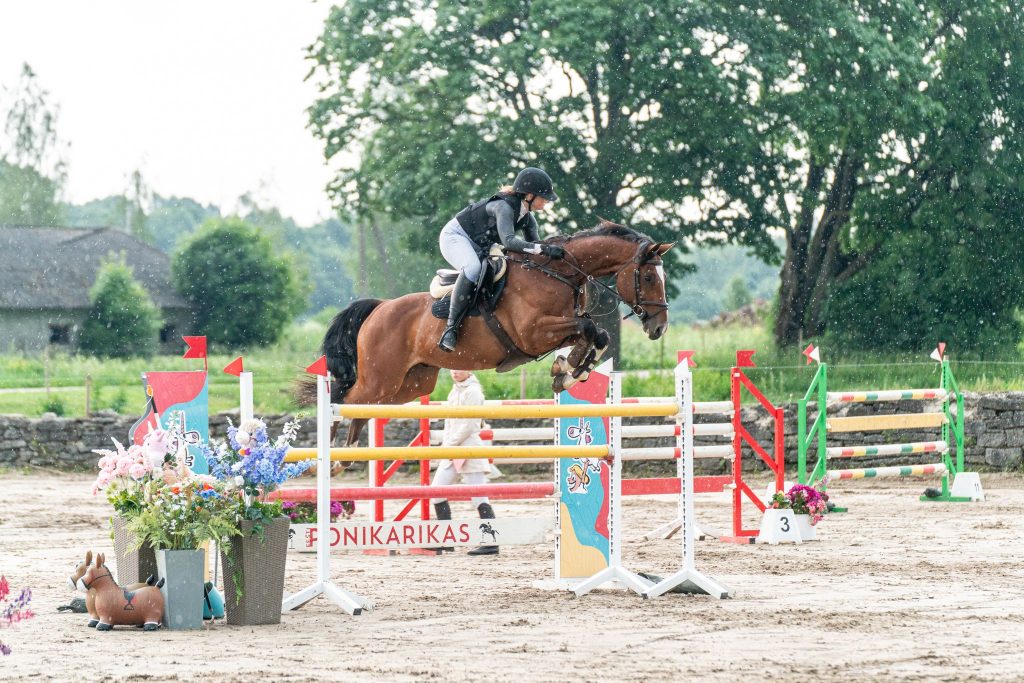
    A pre purchase exam of a showjumper, assessing soundness before the horse cost is agreed

    ¿Cuánto cuesta una revisión veterinaria de precompra?

    En 2026, una revisión de precompra suele costar entre 300 y 2.000 euros o más, según lo a fondo que quieras ir.

    • Revisión básica: aproximadamente $250-$500. Examen clínico y de aplomos, sin imagen.
    • Revisión estándar de caballo de deporte: aproximadamente $800-$1,500 en cuanto añades un juego de radiografías.
    • Revisión completa de rendimiento: $2,000+ con un juego ampliado de radiografías, analítica y a veces ecografía o endoscopia.

    Para un caballo de salto, la revisión básica casi nunca basta. Un caballo que compite, o que piensas competir, debe tener un examen clínico completo and radiografías. El coste de las placas es insignificante comparado con el de descubrir un problema cuando el caballo ya está en tu cuadra.

    Por qué la revisión de un caballo de salto cuesta más

    Un hallazgo irrelevante en un caballo de paseo puede ser un limitante serio en un saltador que cae de un oxer de 1,40 m diez veces al día. Las fuerzas que pasan por las manos, los corvejones y el dorso de un caballo de deporte son enormes, y la revisión de precompra es tu única oportunidad de mirar dentro antes de que las consecuencias sean tuyas.

    Por eso recomendamos siempre una revisión completa con radiografías para cualquier caballo del que se espere que salte, incluso si hoy compite a un nivel más bajo que su trabajo futuro. El caballo tiene que estar sano para el trabajo que le has planeado, no solo para el que hace hoy.

    Qué incluye una revisión de precompra completa

    Una revisión en condiciones no es una prueba sino una secuencia. Un examen completo de caballo de deporte debe cubrir:

    1. Historial e identificación

    El veterinario revisa el historial médico y deportivo del caballo y confirma su identidad contra el pasaporte. Los huecos en el historial son información en sí mismos.

    2. Examen clínico estático

    Corazón, pulmones, ojos, dientes, piel y extremidades se examinan en reposo. El veterinario palpa las extremidades y el dorso, busca calor, inflamación y dolor, y mira los cascos, donde empiezan sorprendentes cantidades de problemas.

    3. Evaluación dinámica y de aplomos

    Se valora al caballo a la mano y montado: al paso, al trote, sobre suelo duro y blando, a la cuerda y bajo silla. El veterinario busca cualquier irregularidad del movimiento en condiciones distintas.

    4. Pruebas de flexión

    Se flexiona cada extremidad y se trota al caballo inmediatamente después. Una flexión positiva no es automáticamente un motivo de ruptura, pero le dice al veterinario dónde mirar más de cerca.

    5. Diagnóstico por imagen (radiografías)

    Las radiografías son el corazón de la revisión de un caballo de deporte. Un juego estándar cubre manos, menudillos, corvejones y babillas; uno ampliado añade dorso y cuello. Las placas revelan cambios, fragmentos óseos, artrosis, procesos espinosos apiñados, que ninguna cantidad de monta te va a enseñar.

    6. Analítica

    Se puede sacar sangre para descartar antiinflamatorios que puedan estar enmascarando un problema y, si vas a traer el caballo hasta España, para las enfermedades que exige la frontera en una exportación. Sacar ambas en la misma visita ahorra tiempo y dinero.

    "Apto" o "no apto" es la pregunta equivocada

    Esto es lo más importante que hay que entender sobre una revisión de precompra: el veterinario no aprueba ni suspende a un caballo. Ese no es su trabajo.

    Una revisión de precompra es una evaluación de riesgo. El veterinario valora los hallazgos frente al uso previsto del caballo y te da la información para decidir con criterio. Un saltador de 12 años con artrosis leve en un corvejón puede ser un compañero perfecto y honesto a 1,20 m para un amateur durante los próximos cuatro años, y completamente inadecuado como inversión de un jinete joven para revender con beneficio. El mismo caballo, las mismas radiografías, dos respuestas distintas, porque los compradores son distintos.

    Cuando alguien te dice que un caballo "no pasó el veterinario", lo que normalmente quiere decir es que los hallazgos no encajaban con el plan de ese comprador concreto. Tu trabajo, junto a tu veterinario, es decidir qué significan los hallazgos para tu plan.

    Elige tu propio veterinario, nunca el del vendedor

    La regla más importante de una revisión es también la más ignorada: el veterinario tiene que ser independiente. El veterinario que examina un caballo que vas a comprar debe ser un veterinario especializado en équidos con experiencia en caballos de deporte; no tener relación previa con el caballo; no trabajar para el vendedor ni para el agente que vende; y no tener interés económico en que la venta salga adelante.

    Si el vendedor se ofrece a organizar "su" veterinario, decline educadamente y lleva el tuyo. No es desconfianza; es conseguir una opinión que responde ante ti. Un agente de compra siempre encarga un veterinario independiente, porque su lealtad, igual que la del veterinario, es contigo.

    Cómo leer el informe sin asustarse

    Los informes de revisión asustan. Están escritos en lenguaje clínico y enumeran todos los hallazgos, por menores que sean, porque el veterinario os protege a ti y a sí mismo. Casi ningún caballo de más de seis años vuelve con un informe completamente en blanco.

    • Separa hallazgos de conclusiones. Pregunta al veterinario directamente: "dado el uso que le voy a dar, ¿qué te preocupa y qué no?"
    • Pesa los hallazgos contra el precio y el plan. Un problema menor en un caballo de amateur bien valorado es muy distinto del mismo problema en un ejemplar de seis cifras.
    • Pregunta por la evolución. ¿Es probable que este hallazgo se mantenga estable o que empeore con el trabajo? Esa sola pregunta separa una manía manejable de un problema futuro.

    Cuánto vale de verdad una buena revisión

    Una revisión de precompra no garantiza que el caballo siga sano, nada puede hacerlo. Lo que te compra es decidir con conocimiento de causa. Entras sabiendo los puntos débiles del caballo, el precio los refleja, y no hay sorpresas desagradables tres meses después. Hemos renunciado a caballos preciosos por una revisión, y hemos comprado encantados caballos con hallazgos porque el precio y el plan tenían sentido. El examen no decidió por nosotros. Nos dio los datos para decidir nosotros. Cuando estés listo, mira los caballos que tenemos disponibles.

    Qué no cubre una revisión de precompra

    Una revisión es potente, pero es una foto de un día, no una garantía. Entender sus límites mantiene tus expectativas realistas. Una revisión de precompra no puede predecir el futuro: un caballo sano ese día puede desarrollar un problema el mes que viene, igual que cualquier atleta. Tampoco es una garantía de carácter: el veterinario evalúa la salud física, no si el caballo encaja con tu monta o con tus nervios. Y salvo que lo pidas y lo pagues expresamente, no incluirá imagen avanzada como resonancia o gammagrafía, reservadas para seguir un problema concreto y no para un cribado de rutina.

    Nada de esto hace que el examen valga menos. Simplemente significa que la revisión responde a la pregunta "¿qué aspecto tiene este caballo por dentro, hoy?", no a "¿seguirá sano para siempre?". Ninguna exploración puede responder a la segunda, y cualquier vendedor que prometa lo contrario está vendiendo de más.

    Revisar un caballo joven frente a uno ya hecho

    La profundidad adecuada depende de lo que estés comprando. Un caballo joven de cuatro o cinco años tiene poco historial de competición, así que las radiografías pesan más: estás comprando en parte potencial, y unas placas limpias te dan confianza en que ese potencial no está ya comprometido. Con un caballo joven, presta especial atención a los hallazgos de desarrollo en corvejones y babillas.

    A caballo ya hecho de diez o doce años casi con seguridad mostrará algo de desgaste, y eso es normal. La pregunta con un caballo mayor no es si hay hallazgos, sino si esos hallazgos son coherentes con el trabajo que ha hecho y lo bastante estables para seguir haciendo el trabajo que tienes en mente. Un poco de mantenimiento en un maestro honesto es muy distinto de una degeneración temprana en un caballo que esperabas que durara una década. Ajustar el caballo a tu nivel importa tanto como la revisión, y por eso ayuda saber cómo elegir un caballo de salto para tu nivel.

    Quién organiza la revisión y quién paga

    La revisión de precompra la organiza y la paga el comprador. Eso es lo que la mantiene independiente: quien paga al veterinario es la persona ante la que el veterinario responde. Cuenta con pagar la factura veterinaria directamente y con organizar la cita tú o a través de tu agente, en lugar de dejar que el vendedor "se encargue". La única obligación del vendedor es poner el caballo disponible, en condiciones justas, en unas instalaciones con el suelo necesario para valorar el movimiento. Si un vendedor se resiste a una revisión independiente, tómalo como información en sí mismo.

    Preguntas frecuentes

    ¿Cuánto dura una revisión de precompra?

    Un examen completo de caballo de deporte con radiografías suele llevar de dos a tres horas. Leer e informar las placas puede añadir un día o dos antes de tener el informe escrito completo.

    ¿Puede revisar las radiografías mi propio veterinario?

    Por supuesto, y con un caballo caro es lo sensato. Las radiografías se comparten en digital, así que tu veterinario de casa puede dar una segunda opinión sobre unas placas hechas en otro país antes de que te comprometas.

    ¿Una revisión limpia garantiza que el caballo está sano?

    No. Te dice que el caballo no mostró problemas significativos el día del examen. Es información valiosa, pero no es una garantía frente a una lesión futura, algo que ninguna exploración puede dar.

    ¿Debería saltarme las radiografías para ahorrar?

    En un caballo de salto, no. En las radiografías es donde aparecen los problemas ocultos más caros. Saltárselas para ahorrar unos cientos de euros es la falsa economía que acaba en una factura veterinaria mucho mayor.

    Hallazgos habituales y qué significan de verdad

    Como el informe lo enumera todo, ayuda saber qué hallazgos son rutinarios y cuáles merecen una conversación más larga con tu veterinario. Las notas de abajo son orientación general, no consejo veterinario: cada caballo y cada plan son distintos.

    • Artrosis leve en los corvejones. Muy frecuente en caballos de deporte mayores y a menudo manejable con mantenimiento de rutina. La pregunta es el grado y si está avanzando.
    • Fragmentos óseos (OCD). Se ven con frecuencia, sobre todo en caballos jóvenes. Muchos son clínicamente silenciosos; algunos se retiran de forma rutinaria. Lo que importa es su localización y si dan reacción.
    • Procesos espinosos apiñados (kissing spines). El apiñamiento de las apófisis espinosas aparece en radiografías de dorso de muchos caballos sanos y en trabajo. La clave es si el caballo está realmente dolorido o limitado, no la imagen por sí sola.
    • Cambios naviculares. En las manos, hay que interpretarlos con cuidado frente a cómo se mueve el caballo, porque pueden ir de lo incidental a lo significativo.

    El patrón es constante: un hallazgo en una placa es el principio de una pregunta, no el final. Caballos sanos y en competición llevan con frecuencia cambios menores, y el trabajo del examen es pesarlos contra el precio y el plan, no perseguir una imagen perfecta que no existe.

    ¿Compras un caballo de salto en Europa? Encargamos revisiones veterinarias independientes en cada caballo que presentamos y te explicamos los hallazgos en lenguaje claro. Cuéntanos qué buscas y buscaremos caballos hechos para pasar la revisión a tu nivel.

    Del lado del vendedor, este es exactamente el informe que el veterinario de un comprador extranjero va a producir sobre tu caballo, y por eso unas imágenes recientes y un historial honesto acortan todo el proceso. Mira cómo anunciamos y representamos caballos en venta in Europe.

  • Importing a Showjumper from Europe to the USA: The Complete 2026 Guide

    Importing a Showjumper from Europe to the USA: The Complete 2026 Guide

    If you are buying a jumper from Germany, the Netherlands, Belgium or France, learning cómo traer un caballo desde Europa is the part of the process most buyers underestimate. The purchase is the exciting bit. The import, the blood work, the quarantine, the flight, the paperwork, is where timelines slip and budgets blow out. This guide walks through every stage, in order, with real 2026 numbers, so you arrive at the airport in Wellington or Lexington with no surprises.

    We work on the buyer’s side every week, and we have learned that the buyers who enjoy the process are the ones who understand it before they fall in love with a horse. It also helps to understand cómo elegir un caballo de salto para tu nivel before the search begins.

    How to import a horse from Europe to the USA, a showjumper prepared for export

    How to import a horse from Europe to the USA: the timeline

    From the moment you sign to the moment your horse lands in the United States, plan on four to eight weeks. Geldings move faster; mares and stallions take longer because of additional quarantine requirements.

    • Week 1: Pre-purchase exam completed, export blood work drawn, sale finalised.
    • Weeks 2 to 4: Blood results returned, flight booked, the horse collected and staged near the departure airport (Amsterdam, Liège, or Frankfurt).
    • Week 4 to 5: Flight to a US port of entry, most commonly New York (JFK), Los Angeles, or Miami.
    • Weeks 5 to 8: USDA and, for mares and stallions, CEM quarantine completed; the horse is released to you.

    The single biggest cause of delay is blood work. Export tests have to be drawn, sent to specific laboratories, and returned clear before a horse can fly. Start them early.

    The export blood work every buyer should plan for

    Every horse imported into the United States is tested for a defined set of diseases. The official entry tests are run at the US port of entry during the arrival quarantine, but responsible sellers and agents screen for them in Europe first, because a positive result means the horse is refused at the border rather than simply delayed. When you arrange your revisión veterinaria de precompra, ask the vet to draw bloods at the same visit, it saves a second trip and several days.

    • Equine Infectious Anemia (EIA / Coggins)
    • Piroplasmosis
    • Glanders
    • Dourine
    • Contagious Equine Metritis (CEM), relevant for mares and stallions

    Piroplasmosis is the test that catches buyers out. A horse that tests positive cannot enter the United States through the normal route, and treatment is long and not always successful. This is one reason we never rely on a sales video alone, a horse that looks perfect on screen is worth nothing to a US buyer if it cannot clear export testing.

    Understanding US quarantine, and why sex matters

    Every horse imported into the United States spends time in government quarantine on arrival. This is not optional, and it is where the cost difference between a gelding and a mare or stallion becomes significant.

    USDA quarantine (all horses)

    Every imported horse spends its first period on US soil in USDA quarantine, a short stay, typically around 3 days, that costs roughly $3,250 as of 2026. Geldings are usually released after this step.

    CEM quarantine (mares and stallions only)

    Mares and stallions transfer into a separate CEM quarantine to test for Contagious Equine Metritis. This is the expensive part: mares spend roughly 15 days at around $3,400; stallions stay roughly 33 days at around $9,700, undergoing test breeding as part of the protocol.

    This is why, all else being equal, a gelding is the cheapest horse to import and a stallion the most expensive. If two horses are otherwise equal for your programme, the import maths alone can be worth thousands of dollars.

    What does it actually cost to import a horse to the USA?

    The horse import cost USA buyers should budget, separate from the purchase price of the horse, looks roughly like this in 2026:

    ItemApproximate cost (USD)
    Transatlantic flight (shared container)$7,000 to $10,000
    USDA quarantine (all horses)~$3,250
    CEM quarantine, mares~$3,400
    CEM quarantine, stallions~$9,700
    Export blood work & vet paperwork$500 to $1,500
    Ground transport (Europe + US side)$500 to $2,000

    A gelding flying in a shared container can land for around $11,000-$14,000 all-in on top of the purchase price. A stallion can run several thousand more because of the extended CEM protocol. Costs come down when several horses travel together, one advantage of buying through an agent who ships regularly. These are ballpark figures, not quotes: currency movement, the departure airport and the season all move the number. Build a buffer.

    Choosing a flight and a port of entry

    Horses do not fly in the cargo hold like luggage. They travel in specially designed air stalls, two or three horses to a container, accompanied by a professional flying groom. Your horse is collected from its home stable two to four days before the flight so a government veterinarian can complete the health and export papers before departure.

    The three most common US ports of entry for sport horses are New York (JFK), Los Angeles, and Miami. A jumper bound for the winter circuit in Wellington, Florida usually clears through New York or Miami and vans down; a West Coast buyer near Thermal routes through Los Angeles. Matching the port to the destination saves days of domestic ground transport.

    The paperwork that actually matters

    • Health certificate issued by an official European veterinarian close to departure.
    • Negative test results for the diseases listed above.
    • Equine passport with up-to-date identification and vaccination records.
    • US import permit and customs entry, handled by your customs broker or agent.

    A horse with an incomplete or out-of-date passport can be held up at either end. Before you commit, confirm that the passport and vaccinations are current, a small detail that causes large delays.

    Why most American buyers use a sourcing agent

    You can import a horse yourself. Plenty of people do. But the reason a growing number of American buyers work with a European-based agente de compra is simple: the agent has stood in the stable, sat on the horse, and seen the vetting in person, and they coordinate the import so the parts connect.

    • Filters before you fall in love. We only present horses we believe will clear export testing and a US-standard revisión veterinaria de precompra.
    • Coordinates the timeline. Blood work, flight, quarantine and ground transport all interlock. One missed lab cut-off can add two weeks.
    • Protects your interests, not the seller’s. A buyer-side agent is paid by you and answers to you.

    A realistic first step

    The buyers who import successfully start with a clear brief rather than a specific horse. Tell us the level you ride, your budget including the import, and your timeline, whether you need the horse on the ground for Wellington in January or simply want the right one when it appears. You can also browse los caballos que tenemos disponibles.

    What can go wrong, and how to avoid it

    Most import problems are not dramatic. They are small scheduling errors that compound. After managing this process repeatedly, the same handful of mistakes account for almost every delayed horse and blown budget.

    • Leaving blood work to the last minute. Export labs run on their own calendar. Draw bloods at the pre-purchase exam, not the week before the flight.
    • Forgetting the horse’s sex changes the cost. Buyers budget for a gelding and then fall for a stallion, only to discover the CEM protocol adds thousands of dollars and weeks of quarantine.
    • Ignoring the passport. An out-of-date passport or missing vaccination line can hold a horse on the ground at either end. Check it before you pay.
    • Booking the wrong port. Flying into the wrong coast adds days of domestic vanning and unnecessary stress on the horse.

    Insuring your horse for transit

    A transatlantic flight is the single highest-risk moment in a horse’s journey to you, and it is also the one most buyers forget to insure. Mortality and transit insurance is inexpensive relative to the value of the horse and the cost of the flight, and it should be arranged before the horse leaves its home stable, not at the airport. If you are buying a six-figure jumper, full mortality and major-medical cover for the import window is not optional. Speak to an equine insurer the moment the sale is agreed, and make sure the policy is active for the collection, staging, flight and quarantine, not just the flight itself.

    Arrival day and the letdown period

    Your horse will land tired. A long-haul flight, the noise, the change in air pressure and the strange handlers all take a toll, and quarantine is not a holiday. Plan for a letdown period of two to four weeks once the horse reaches your barn before you ask any real work of it. Some horses lose a little weight and condition in transit and need time to settle, rehydrate and find their feet in a new climate, the move from a cool European winter to Florida humidity is a genuine adjustment. Resist the urge to school the day it arrives. The horses that start well in their new homes are the ones whose owners gave them time.

    It also pays to have your own veterinarian see the horse shortly after arrival, both to establish a baseline and to confirm everything that travelled on paper matches the horse standing in front of you. This is routine, but it closes the loop on a long process and gives you peace of mind before the real work begins.

    Preguntas frecuentes

    What is involved in a European sport horse import? A European sport horse import means buying a horse in Europe and shipping it to the United States. The core steps are the export blood work, a transatlantic flight in an air stall, and government quarantine on arrival. Plan four to eight weeks, and if you are still deciding how to source the horse, read our guides to buying a showjumper in Europe and working with a buyer’s agent.

    How long is the flight from Europe to the USA?

    The flight itself is usually eight to eleven hours depending on the route, but the door-to-door journey is longer once you include collection two to four days before departure, staging near the airport, and quarantine on arrival.

    Can my horse fly with other horses?

    Yes, and it is usually cheaper when it does. Horses travel two or three to an air stall container with a professional flying groom, and shared shipments bring the per-horse cost down considerably.

    What is the cheapest horse to import?

    A gelding, every time. Geldings skip the lengthy CEM quarantine that mares and stallions require, which removes both the largest single cost and several days of board.

    Do I have to be at the airport to receive the horse?

    No. The shipping agent or your sourcing agent coordinates customs clearance, quarantine and onward ground transport. Most buyers first see their horse when it arrives at their own barn.

    When to start the import, and timing around the season

    Timing is the quiet variable that decides whether an import feels calm or frantic. If your goal is to be competing in Wellington for the winter circuit, which runs from January into April, you cannot start looking in December. Work backwards: a four-to-eight-week import window, plus a two-to-four-week letdown period, plus the time to actually find and try the right horse, means the search should begin in the early autumn for a horse that is settled and ready by January.

    Season also affects supply and price. European sellers know when American buyers are shopping for Florida, and the best horses move early. Starting ahead of the rush gives you a wider choice and more leverage, rather than competing for whatever is left when everyone else is buying. The buyers who land a great horse in time are almost always the ones who began the conversation months before they needed the horse on the ground.

    Looking for a jumper in Europe? We find them quietly, vet them honestly, and manage the import end to end. Cuéntanos qué buscas and tell us what you are looking for.

    Importing from Europe is not difficult once you understand the order of operations. Get the blood work moving early, budget for the quarantine your horse’s sex requires, match the port to the destination, and work with people who have done it before.

    Selling rather than buying? European sellers who want to reach American buyers face the same timing and paperwork questions from the other direction. See how we anunciamos y representamos caballos en venta in Europe.