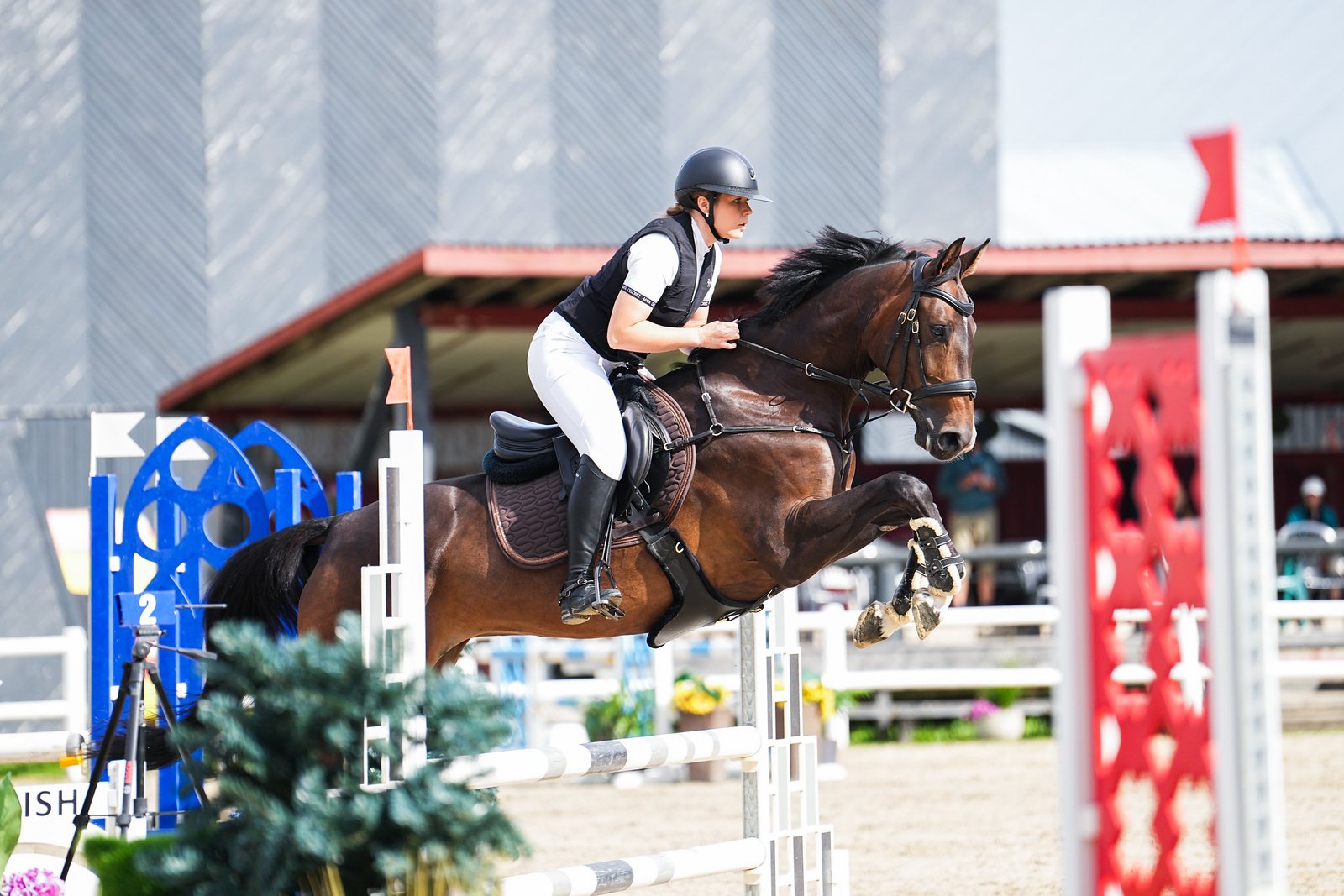
Knowing how to sell a horse is mostly knowing how to remove the reasons a buyer says no. Most horses that sit on the market for a year are not overpriced by much and are not bad horses. They are badly presented, vaguely described, and sold by someone who answers messages three days late. This guide goes through the whole process in order: pricing the horse honestly, getting him ready, the photographs and video that actually get clicked, the advert, the viewing, the vetting, and taking the money safely.
In this guide
- Work out what the horse is actually worth
- Get him ready before you advertise
- Photographs and video
- Writing the advert
- Where to advertise
- Handling enquiries, and spotting the ones that go nowhere
- The viewing
- The vetting, and what happens if he fails it
- Paperwork and taking payment safely
- Sell privately or through an agent?
Work out what the horse is actually worth
Price is the single biggest reason a horse does not sell, and almost nobody researches it properly. What your horse cost you, what you have spent on him, and what you need to buy the next one are not inputs. The only input is what comparable horses are actually listed at right now.
Do it properly and it takes an hour. Search one of the big portals for your horse’s age, height, discipline and jumping level, and read the prices rather than the adverts. When we did this recently for a five year old jumping gelding between 163 and 175 cm, we went through 158 listings and 345 asking prices across Europe. The median was around 20,000 euros, a quarter of the horses were at or below 15,000, and only six per cent were under 10,000 euros.
Two things come out of an exercise like that. The first is a realistic number. The second is the shape of the market, which tells you whether you are in a crowded band where you have to compete on presentation, or a thin one where the right buyer simply has to find you. Our guide to what a showjumper costs covers the price bands by level.
Set your asking price with room for one negotiation, not three. Decide your floor before you advertise, write it down, and decide now how long you will wait before dropping. A horse advertised at the same price for nine months tells every returning buyer that nobody else wanted him either.
Get him ready before you advertise
Advertise the horse you want people to see, not the horse who has been in the field for two months. Give yourself three or four weeks of consistent work first. He does not need to be fit for a championship, he needs to look like a horse in a programme.
Get the farrier out before the photographs, not after. Pull the mane or leave it long, but make a decision rather than letting it be neither. Treat the small things that photograph badly: mud fever, rain scald, a rubbed tail, a dirty sheath.
If there is anything in his history that a vetting will find, deal with it now rather than at the worst possible moment. Knowing about an old injury lets you price for it, describe it in your own words and keep control of the conversation. Finding out at the buyer’s vetting means the buyer discovers it, not you, and at that point the sale is usually finished.
Photographs and video
This is where most private sellers lose the sale, before anyone has spoken to them. Buyers scroll past adverts in about a second, and the only thing being judged at that moment is the main photograph.
You need a conformation shot taken from the side, on flat ground, with the horse standing square, the handler out of the way and a plain background. No rug, no haynet, no wheelbarrow in the corner. Take it in daylight, ideally with the sun behind the photographer. Then add a head shot, a shot under saddle, and a jumping photo if the horse jumps.
The video matters more than the photographs for anyone serious. Show walk, trot and canter on both reins, unedited and in one piece, then jumping if that is his job. Shoot it in landscape. Do not cut between clips to hide the moments you do not like, because an experienced buyer reads the cuts as exactly that, and the first question we ask about an edited video is what was removed.
Keep the footage current. Film again every couple of months while the horse is on the market. A video from two summers ago with longer mane and a different rider is a signal that the horse has been for sale a long time.
Writing the advert
Lead with the facts a buyer filters on: year of birth, height, sex, breed or studbook, level jumped or competed, and location. If those are missing, your advert never reaches the people who would have bought him, because they filtered it out before reading a word.
Then describe the horse as he is. Say who he suits and who he does not. “Not a novice ride” costs you nothing and saves you six wasted viewings. Be specific instead of promotional: “jumped 1.10 clear at four shows this season” says more than “huge scope” and cannot be argued with.
Say what is known about soundness, including anything a vetting would show. Buyers are not put off by a disclosed old injury nearly as much as sellers fear. They are put off by discovering one.
Put a price in. Adverts marked price on request get far fewer genuine enquiries, because most buyers assume it means expensive and keep scrolling. If you genuinely cannot publish a figure, say what band it is in.
Where to advertise
Use one big portal with international reach, plus the social media groups for your discipline and country. Be careful with the add-ons on portals, where paid boosts are often pre-ticked at checkout, and know what each listing really costs before you confirm. We compared the main European options and their real prices in our guide to where to advertise a horse for sale in Europe.
Write the advert in English as well as your own language if the horse could sell abroad. For anything above about 10,000 euros, a large share of the realistic buyers are in another country.
Refresh or re-upload the listing periodically. Portals sort by recency far more than sellers realise, and a listing that has not been touched in two months is effectively invisible even though it is still live.
Handling enquiries, and spotting the ones that go nowhere
Answer every genuine message the same day, even if the answer is short. Buyers message several sellers at once and go to see whoever replies first.
Before you arrange anything, ask what they are looking for, what they currently ride, and what level they compete at. Two questions filter out most of the people who were never going to buy, and they do it politely.
You will also get messages that are not buyers at all. The pattern is consistent: an enthusiastic message that never mentions anything specific about your horse, an offer to pay the full price without seeing him, a request to use their own shipping agent, or a proposal to send more than the asking price and have you forward the difference. Any offer to overpay is a fraud, every time, with no exceptions. So is any request to complete the deal through someone else’s transport company.
Keep a short note of every enquiry and what happened. Over a few months this tells you whether your problem is the advert, the price or the viewings, which are three entirely different problems with three different fixes.
The viewing
Have the horse clean, plaited if that is normal for your discipline, and worked lightly beforehand so he is rideable but not drilled. Do not lunge him into exhaustion. An experienced buyer will see it, and a less experienced one will buy a horse who turns out to be a different animal at home, which is how sales come back at you.
Ride him first yourself or have your usual rider do it, then let the buyer ride. Let them handle him on the ground too: catching, leading, tying up, picking out feet. Be present and be available, but let them look at the horse without being talked at.
Answer every question straight, including the uncomfortable ones. Buyers who have done their homework arrive with a list, and the ones we work with go through a long set of questions before they ever travel. Knowing in advance what you will be asked is the easiest preparation you can do.
The vetting, and what happens if he fails it
The buyer arranges and pays for the vetting, and the buyer’s vet does it. Your job is to make the horse available and to disclose what you know. Our guide to what a five stage vetting covers and costs explains what is examined.
Agree in writing beforehand what happens if the horse does not pass: whether any deposit is returned, who holds it in the meantime, and how long the buyer has to decide afterwards. Do this before anyone pays anything.
If a horse does fail, you are allowed to ask for the report. Get the findings in writing and have your own vet read them, because a horse can fail one buyer’s vetting for something another buyer, with a different plan for him, accepts. What you must not do is advertise him again without disclosing it. It will come out at the next vetting, and the second sale collapses harder than the first.
Paperwork and taking payment safely
Have the passport, the registration papers and the microchip details ready before the first viewing. If the passport has not been signed over from a previous owner, sort it out now rather than on the day the lorry comes.
Write a simple sales contract. It needs the horse’s identity including microchip and UELN, the full names and addresses of both parties, the price, what is included, the date of transfer, who carries the risk between payment and collection, and anything you have disclosed about health or behaviour. Both sides sign and both keep a copy.
Take payment by bank transfer and wait for cleared funds in your account. Not a screenshot, not a payment confirmation, not a cheque, not a transfer that is “on its way”. The horse does not leave your yard and the passport does not change hands until the money has cleared. Transport is arranged after that, and if the buyer wants to collect him the same day, the money still clears first.
Sell privately or through an agent?
Sell privately if you have the time to answer messages quickly, you are comfortable filming and photographing the horse properly, and your buyers are likely to be local. You keep the whole price and you control everything.
Use an agent when the realistic buyer is in another country, when there is a language barrier, when you do not have the time the process actually takes, or when the horse has been on the market for months and you cannot see why. An agent is also the practical answer if you are not confident judging which enquiries are real.
We sell horses across Europe for owners who would rather not do this themselves. We price the horse against the live market, film and photograph him, write and place the advert in several languages, filter the enquiries, host the viewings and handle the contract and the transfer.
You can read more about selling your horse with us, or see the horses we currently have for sale.
Leave a Reply