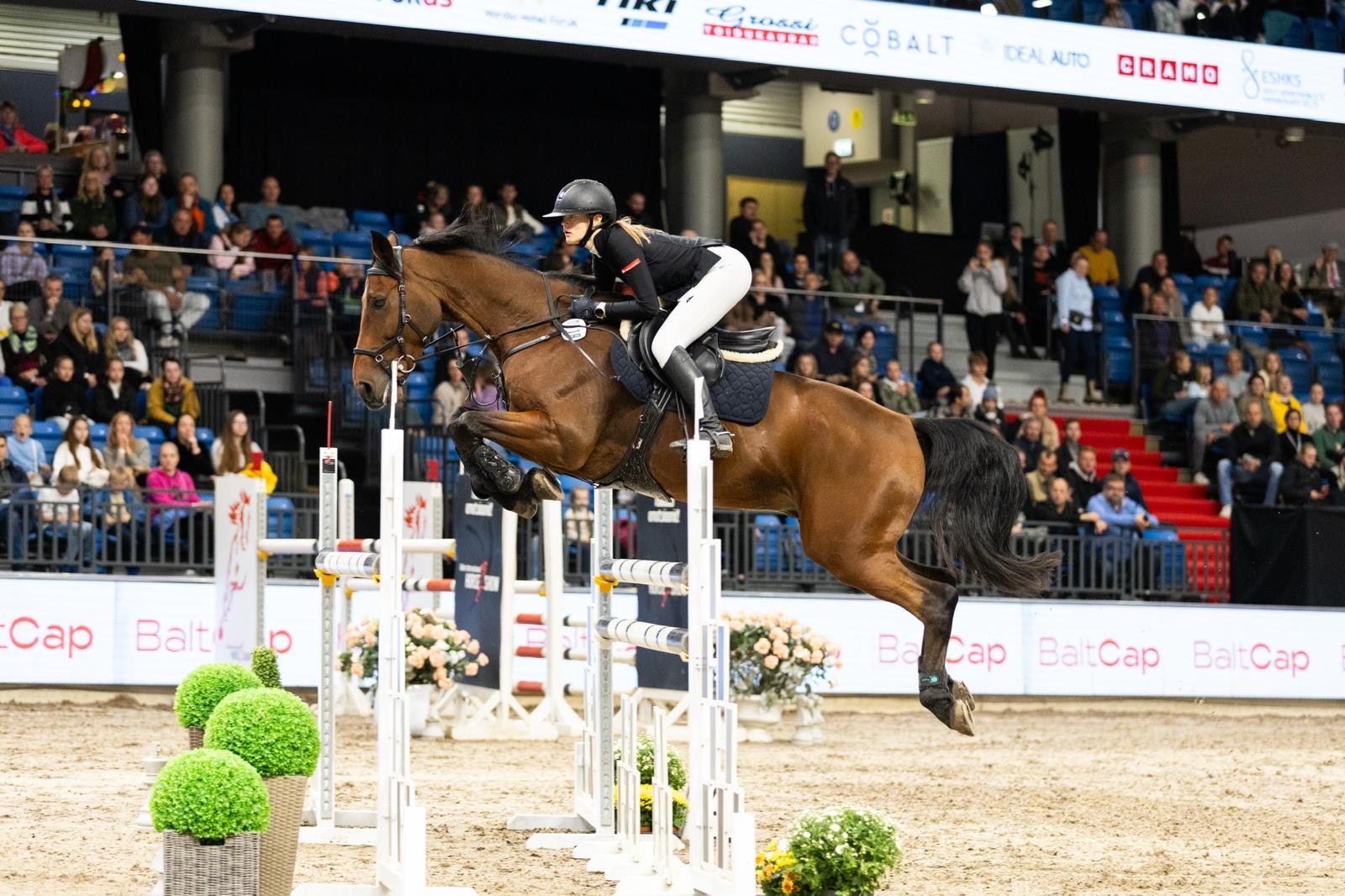
KWPN papers carry more information than almost any other studbook in Europe, and most buyers read none of it. A KWPN horse comes with a breeding direction, often a string of predicates on both the horse and its dam line, and a radiographic status, all printed before you have seen the animal move. This guide explains what KWPN means, the four breeding directions, what Ster, Keur, Elite, PROK, Sport, Preferent and Prestatie actually tell you, and what the papers deliberately do not say.
In this guide
What KWPN stands for
KWPN is short for Koninklijk Warmbloed Paardenstamboek Nederland, the Royal Dutch Sport Horse studbook. It is the same thing English speakers call the Dutch Warmblood, and it is the largest sport horse studbook in the Netherlands. If you want the short version of that naming question, we cover it inside our guide to Holsteiner, KWPN and Hanoverian horses.
What matters more than the name is that the KWPN does not breed one kind of horse. It runs separate breeding programmes under one studbook, and a passport tells you which one your horse came out of.
The four breeding directions
The KWPN registers horses in four directions: jumping, dressage, harness horse and the Gelders horse. They are bred on different plans, judged against different standards and, in practice, produce quite different animals.
This is the first thing to check and the thing buyers skip most often. A KWPN passport on its own does not mean you are looking at a jumper. A dressage-bred KWPN can be a lovely horse and still be the wrong purchase if you want to jump 1.30 m, because the selection behind it rewarded different things. The direction is on the papers. Read it before you book the flight.
Ster, Keur and Elite
Predicates are titles the studbook awards at inspections and tests. They stack, which is why you often see several on one horse.
- Ster. The entry-level predicate, awarded at inspection for conformation, movement or jumping technique and a minimum height. It says the horse was presented and judged acceptable, not that it can compete.
- Keur. A step up. It requires Ster first and adds a performance test. Keur means the horse was asked to show what it could do under test conditions and passed.
- Elite. The top of the stack for a mare, combining Keur with the radiographic health predicate. Elite is the one that moves price, because it is the hardest to get by accident.
Stallions sit outside this system. An approved KWPN stallion has been through a separate and much harder selection, and the word you will see on Dutch paperwork is goedgekeurd.
PROK, and what it does not mean
PROK is a radiographic predicate. It says the horse was x-rayed to the studbook protocol at a defined age and came back clear of the specific findings the protocol screens for, principally osteochondrosis in the joints it covers.
PROK is genuinely useful and it is not a vetting. It was taken at one moment, on a defined set of views, and it says nothing about the horse in front of you today, nothing about the back or the neck unless those views were taken, and nothing about soft tissue. Treat it as a good sign and then do your own examination anyway. Our guide to horse vetting and what a 5 stage vetting covers sets out what your own vet should be doing regardless of what the papers say.
Sport, Preferent and Prestatie
Three more predicates turn up constantly, and two of them describe the mare line rather than the horse you are buying.
- Sport. Earned through competition results. This one is about the horse itself and is the only predicate on the list that proves anything in a ring.
- Preferent. Awarded to a mare through the quality of her offspring at inspections. It describes the dam, not the foal in the advert.
- Prestatie. Awarded to a mare through the performance of her offspring in sport. The strongest signal on a dam line, because it is measured in results rather than in opinions.
When an advert lists an impressive row of predicates, check which ones belong to the horse and which belong to its grandmother. Both are worth knowing. They are not the same claim.
What the papers do not tell you
Predicates are awarded inside the KWPN system and only mean something inside it. They do not translate into Holsteiner or Hanoverian grades, and comparing a Keur mare with a German Staatsprämie mare is comparing two different scoring systems rather than two horses.
They also say nothing about rideability, about how the horse behaves away from home, about whether it loads, or about what it is like after six weeks in a new yard. No studbook measures those, and they are the things that decide whether you keep the horse.
How to verify a KWPN horse
- Ask for the passport, not a photo of the pedigree. The passport carries the UELN, the breeding direction and the predicates in one place.
- Check the UELN against the registry. A number that does not resolve is the end of the conversation.
- Separate the horse’s predicates from the dam line’s. Ster and Sport on the horse, Preferent and Prestatie on the mares behind it.
- Ask when PROK was taken and ask for the plates. Your vet will want to look at them next to new ones.
- Match the record to the claim. If a horse is advertised at a height, there should be starts at that height you can look up.
Should you pay more for a KWPN?
You will, whether or not you decide to. KWPN horses carry a premium because the studbook has depth, data and a resale market behind it, and for a buyer who may sell the horse on in three years that premium is partly an insurance policy rather than a cost.
If resale is not your priority and you can judge a horse, the same money buys more animal in a smaller studbook. We make that argument in our guide to the Latvian Warmblood, which is the other end of exactly this trade.
Either way, read the papers first. A KWPN passport rewards the ten minutes more than almost any other document in the sport. If you want to talk through a specific horse, ours are on the showjumpers for sale page and we are happy to look at one you found elsewhere.
Leave a Reply